Achieve a Wall Wash Effect with Spotlights How To Guide?

Time:2026-07-05 Author:Isabella
0%

Creating a captivating atmosphere in any space requires effective lighting techniques. One popular method is achieving a "wall wash" effect with spotlights. This technique enhances texture and color on walls, making them focal points in interiors. According to recent industry reports, optimized lighting can increase mood and productivity by up to 20% in work environments.

To explore how to achieve a "wall wash" effect with spotlights, understanding their placement and intensity is crucial. The angle and distance directly influence the light distribution. Many professionals emphasize that a common mistake is improper spacing between lights, which can lead to uneven washes. This could undermine the intended aesthetic.

Furthermore, not all bulbs provide the same quality of light; choices between LED and halogen can significantly affect outcomes. Selecting the right type is essential for both efficiency and atmosphere. Reflecting on these aspects can aid in perfecting the wall wash technique. The results can be striking, but success requires careful planning and execution.
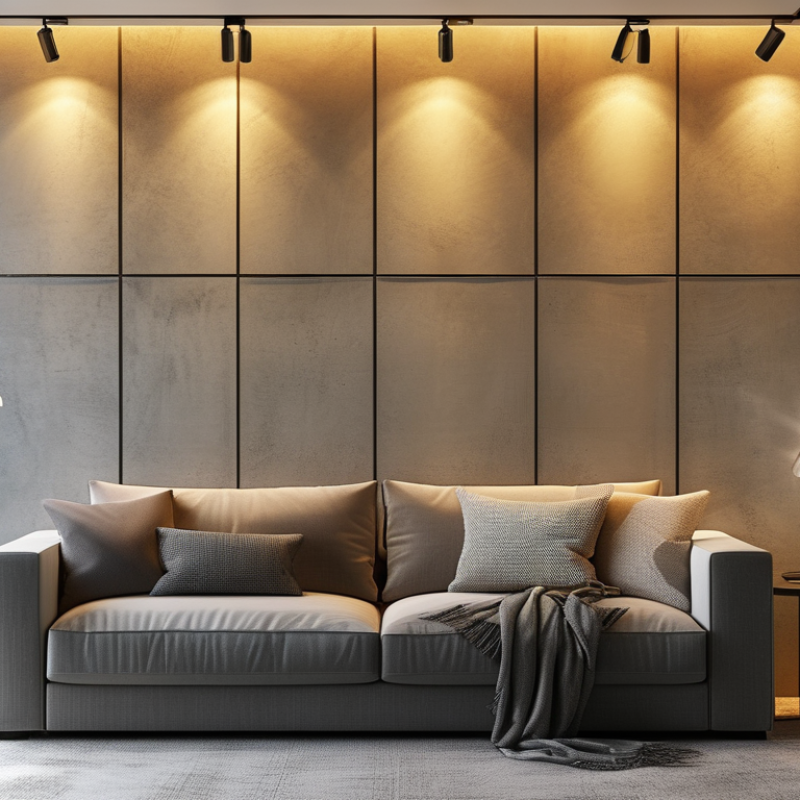
Achieve a Wall Wash Effect with Spotlights How To Guide?

Understanding the Wall Wash Effect: Definition and Importance

The wall wash effect is a lighting technique that creates an even illumination across a wall surface. This method highlights textures and colors, enhancing the overall aesthetics of a space. Understanding how to implement this effect can transform a room’s atmosphere, making it feel larger and more inviting. Wall washing can guide the eye and accentuate artwork or architectural features.

Achieving an effective wall wash requires careful consideration of light placement and intensity. Spotlights should be strategically positioned to create a soft, diffused light. Too harsh a light can create harsh shadows, making the effect jarring. This balance is essential for achieving a warm, welcoming feel. Experimenting with different angles and distances can help find the right approach.

However, achieving this effect is not always straightforward. Overly bright lights can wash out colors and create an unappealing glare. It’s crucial to test various settings and observe the outcomes. Sometimes, a simple adjustment can lead to a significant improvement. Not all walls respond equally to lighting, and personal preferences may vary. Tuning into these nuances can enhance the wall wash effect and make the space uniquely yours.

Key Principles of Using Spotlights for Wall Washing

Creating a wall wash effect using spotlights can transform any space. Understanding the key principles is crucial for achieving this look. Spotlights should be positioned at the right angle. Typically, the lights should be aimed between 30 to 45 degrees from the wall. This angle helps to disperse light evenly.

The distance from the wall matters too. Too close can create harsh shadows. Too far can lessen the wash effect. It's often a game of trial and error. Experimenting with placement can help refine your technique.

To enhance the effect, consider the surface texture. Smooth walls reflect light differently than textured ones. The color of the wall also plays a significant role. Lighter colors tend to reflect more light. Dark colors absorb it, which might not achieve the desired outcome. Keep these factors in mind as you work towards achieving that perfect wall wash effect.

Best Types of Spotlights for Achieving a Wall Wash Effect

Achieving a wall wash effect can significantly enhance a room's ambiance. The right spotlights play a vital role in this process. Generally, floodlights and adjustable spotlights are top choices for wall washing. Floodlights offer broad coverage. They create even light distribution across the wall, which is crucial. Adjustable spotlights allow you to direct light precisely where needed. This versatility can help highlight textures and colors on a wall.

According to the "Lighting and Design Trends" report by the International Energy Agency, 80% of designers prefer LED spotlights for this purpose. LED options are energy-efficient, with an average lifespan exceeding 25,000 hours. Their low heat output reduces the risk of damage to artwork or wallpaper. However, achieving an ideal wash effect requires careful placement. Misalignment can lead to uneven light, disrupting the overall look.

Consider the wall's material. Smooth surfaces reflect more light, whereas textured walls may absorb some brightness. Many experts suggest experimenting with different angles before deciding on a setup. Testing various distances helps find the sweet spot for the desired effect. Design choices should be flexible, accommodating future changes in decor or lighting trends.

Optimal Placement Techniques for Spotlights in Wall Washing

Creating a wall wash effect with spotlights can dramatically enhance your space. Proper placement is key to achieving the desired look. Spotlights should be positioned at a distance from the wall, usually around 1 to 3 feet away. This allows the light to spread evenly across the surface. If placed too close, the light can create harsh shadows.

Consider the angle of the spotlight as well. Aiming the lights at a 30-degree angle often yields the best results. However, the effect can differ based on wall texture. Rough surfaces may absorb more light, requiring adjustments in placement. Experimenting with different arrangements is essential to get the wall wash effect just right.

Be mindful of the height at which you install the spotlights. Typically, mounting them at eye level or slightly above works well. However, this rule can vary depending on your room's dimensions. For instance, in a low ceiling room, higher placement can help enhance the effect. Balancing light and shadow can be tricky. Some trial and error will guide you in finding the perfect setup.

Achieve a Wall Wash Effect with Spotlights: Optimal Placement Techniques

Adjusting Lighting Angles and Intensity for Consistent Coverage

Achieving a wall wash effect with spotlights creates a fascinating ambiance. Adjusting lighting angles and intensity plays a vital role here. According to a report by the International Association of Lighting Designers, the angle of light affects how shadows are cast and the overall visual impact of a space. Correctly positioned, spotlights can fill walls with light, enhancing textures and colors.

Tip: Start with a 30-degree angle for your spotlights. This angle reduces harsh shadows while ensuring even light distribution. Keeping the spotlights around two feet from the wall prevents hotspots and creates a soft wash effect.

Intensity is just as crucial. The recommended illuminance level for wall washing is between 200 and 300 lux. However, exceeding this can cause glare and discomfort. Regularly reassess your setup. Are the angles still producing the same desired effect? Adjusting the intensity based on wall color can also make a significant difference. Lighter colors reflect light better, requiring less intensity.

Tip: Use adjustable dimmers for flexibility. This allows you to modify brightness as needed throughout the day, ensuring consistent coverage. Be mindful; sometimes, less is more when it comes to achieving that perfect wash.

FAQS

: What is the wall wash effect?

: It is a lighting technique that evenly illuminates a wall surface.

How can the wall wash effect enhance a space?

It highlights textures and colors, making a room feel larger and more inviting.

What is essential for achieving an effective wall wash?

Careful light placement and intensity are crucial for this effect.

Why is light placement important?

Spotlights should be positioned to create soft, diffused light without harsh shadows.

What happens if the lighting is too bright?

Overly bright lights can wash out colors and create unappealing glare.

How can the angle of spotlights affect the wash effect?

Spotlights should be aimed between 30 to 45 degrees for even light dispersion.

Why does wall distance matter?

Being too close creates shadows, while too far reduces the wash effect.

What should you consider about wall texture?

Different textures reflect light differently, impacting the overall effect.

How does wall color influence the wall wash effect?

Lighter colors reflect more light, while darker colors may absorb it.

Is achieving the wall wash effect easy?

It often involves trial and error, requiring adjustments to achieve the best outcome.

Conclusion

The article titled "Achieve a Wall Wash Effect with Spotlights How To Guide?" explores the concept of the wall wash effect, emphasizing its significance in enhancing interior aesthetics. It delves into key principles behind using spotlights effectively for this purpose, highlighting aspects such as light distribution and consistency. Readers will learn how to achieve a "wall wash" effect with spotlights by selecting the best types of fixtures, placing them optimally, and adjusting their angles and intensity to ensure uniform coverage.

To successfully implement these techniques, it is essential to understand the importance of proper spotlight placement and the nuances of lighting angles. By following the outlined strategies, individuals can transform their spaces with a soft, even illumination, creating an inviting atmosphere while showcasing architectural features and artwork effectively. This guide serves as a comprehensive resource for anyone looking to enhance their lighting design.

Isabella

Isabella

Isabella is a dedicated marketing professional with a sharp focus on driving brand growth and engagement through strategic content creation. With an extensive background in digital marketing, she combines her passion for storytelling with her keen understanding of industry trends to deliver......