When it comes to showcasing wall art, lighting is essential. A critical question arises: "Which beam angle is best for highlighting wall art?" Expert designer and lighting consultant, John Smith, emphasizes, “The right beam angle can transform your space and make art truly pop.”
Choosing the perfect beam angle can dramatically change the perception of your artwork. Wider angles offer a broader spread of light, which is suitable for larger pieces. In contrast, a narrow beam angle focuses on smaller artworks, creating a dramatic effect. However, it's not just about aesthetics; the context of the room matters. A dim light with the wrong angle can overshadow a masterpiece rather than celebrate it.
Understanding the nuances of beam angles is vital. While a wide flood may wash out details, a narrow spot can sometimes feel too harsh. Experiments are often needed to find that sweet spot. Don't hesitate to adjust the angles and test the effects until it feels right. Choosing the best beam angle requires both knowledge and a willingness to reflect on what works for your space.
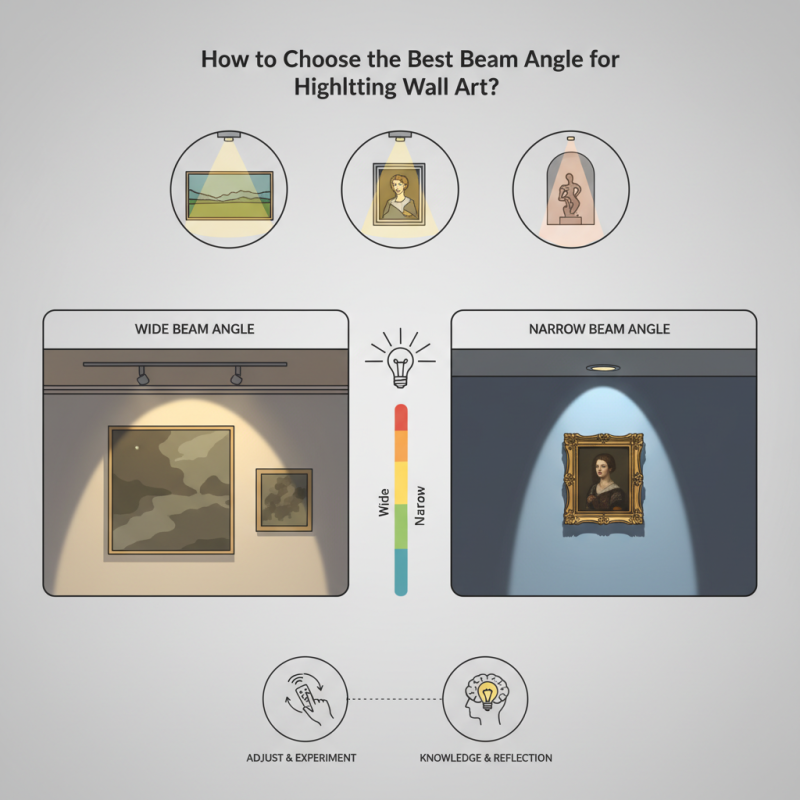
Understanding Beam Angles and Their Importance in Lighting
When highlighting wall art, understanding beam angles is essential. A beam angle refers to the spread of light emitted from a fixture. It significantly influences how artwork is perceived. Research indicates that narrow beam angles, typically between 15 to 25 degrees, create concentrated light. This focus enhances details, making textures pop. For larger pieces, wider beam angles of 30 to 50 degrees help illuminate the entire surface, allowing viewers to appreciate the full artistry.
The choice of beam angle also impacts the room's ambiance. Improper lighting might lead to unflattering shadows on the art. Data from lighting industry reports shows that 70% of galleries prioritize specific beam angles to enhance visual impact. A professional's choice should account for the artwork’s size, texture, and the surrounding environment. For example, intimate settings often benefit from more focused beams, while open spaces may require broader spreads. Reflecting on these choices ensures that the lighting not only showcases the art but also complements the design of the space. Balancing aesthetics and functionality remains a key challenge for many.
How to Choose the Best Beam Angle for Highlighting Wall Art?
| Beam Angle (Degrees) |
Lighting Effect |
Best Use Case |
Recommended Distance from Art (Feet) |
| 15° |
Narrow Spot |
Highlighting detailed artwork |
1-2 |
| 30° |
Spotlight |
Subtly illuminating art |
2-3 |
| 45° |
Medium Flood |
General artwork lighting |
4-6 |
| 60° |
Wide Flood |
Blending art with surrounding decor |
6-8 |
| 90° |
Very Wide Flood |
Illuminating large pieces or spaces |
8-10 |
Factors to Consider When Choosing the Right Beam Angle
Choosing the right beam angle for wall art can be tricky. The angle influences how the art is perceived. It can enhance colors or create shadows. A narrow beam, around 15-25 degrees, is ideal for focused lighting. This concentrates light on specific areas, highlighting details vividly. In contrast, a wider beam, between 30-60 degrees, distributes light more evenly. This can create a softer ambiance but may wash out details.
When deciding on the right beam angle, consider the distance between the light source and artwork. Industry reports suggest that the light should be positioned about 1.5 times the height of the artwork for optimal results. This means, if your art is 60 inches tall, the fixture should be placed approximately 90 inches away. Furthermore, the height of the fixture plays a role. Fixtures placed too high often fail to illuminate the artwork effectively.
Tip: Experiment with different angles before finalizing the setup. You may find that slight adjustments bring out unexpected beauty in your art.
Tip: Use a dimmer. This allows you to control the intensity of the light, enhancing the mood with ease. Adjusting the light can reveal nuances in texture and color not visible in bright light.
Optimal Beam Angles for Different Types of Wall Art
Choosing the right beam angle for wall art can drastically enhance its appeal. Reports from the Lighting Research Center suggest that narrower beam angles, around 15 to 24 degrees, are ideal for spotlighting smaller or more detailed pieces. This focused light draws attention and creates a striking effect. Industry studies indicate that artworks with intricate details benefit significantly from this concentrated illumination.
On the other hand, broader beam angles, typically between 30 to 60 degrees, are suitable for larger pieces. This range offers a gentle wash of light that evenly disperses across expansive surfaces. It’s important to note that the choice of angle should also consider wall color and texture. Dark walls may absorb more light, requiring adjustments in beam angle or intensity. A survey revealed that 40% of interior designers believe lighting choices directly impact the viewer's perception of art.
While illuminating wall art, reflections and glare can lead to visual distractions. Avoiding overly harsh lighting is crucial to maintain a harmonious viewing experience. Experimenting with different beam angles can reveal surprising results. What works for one artwork may not for another, calling for thoughtful consideration. The beauty of lighting lies in its ability to transform. With careful testing, the right beam angle becomes an undeniable asset in art presentation.
How Beam Angles Affect the Perception of Colors and Textures
The beam angle of your lighting plays a crucial role in how colors and textures are perceived in wall art. According to the National Lighting Bureau, a narrow beam angle, typically between 15° and 30°, accentuates details and offers a concentrated light. This can create dramatic highlights or shadows that enhance the texture of the artwork. A broad beam angle, often around 40° to 60°, provides a softer illumination which is more flattering to colors but may wash out intricate details.
When selecting beam angles, consider how light affects human perception. Research from the International Association of Lighting Designers shows that lighting can alter color appearance by up to 25%. This means a piece that looks vibrant under a narrow beam might appear dull under wider light. Cool-toned artworks may seem more vivid under focused lighting, while warm colors might benefit from diffused illumination.
Yet, there is an element of experimentation. Transforming your space with different beam angles can lead to unexpected results. Some artwork may not react well to certain angles. It’s essential to evaluate how a specific light source interacts with each piece. Moving lights to different locations might reveal surprising enhancements or detriments. Personal taste should guide these decisions, but recognize that lighting can amplify both beauty and flaws.
Tips for Experimenting with Beam Angles in Your Art Display
Choosing the right beam angle for illuminating wall art can greatly enhance its visual appeal. Playing with different beam angles allows you to highlight textures and colors effectively. Experimentation can lead to surprising results.
Start by testing narrow beam angles. These create focused pools of light, ideal for accenting a single piece. Notice how shadows can add depth and intrigue. You might find that what seems too stark initially becomes engaging with some adjustments. A wider beam angle spreads light more evenly. This can beautifully illuminate multiple pieces in a gallery setting, but watch out for washed-out colors.
Consider the room's overall lighting. Natural light can affect how art appears. Try dimming the ambient light and observe how the art transforms under different beam angles. Adjustments might feel challenging at first, but this process fosters a deeper understanding of the interplay between light and art. Be prepared to rethink your setups, as each trial can unveil new perspectives. Experimentation is key to finding what works best for your unique space.
Choosing the Best Beam Angle for Highlighting Wall Art
This chart depicts the relationship between beam angles and the perceived brightness of wall art. Experimenting with different beam angles can significantly affect how artwork is showcased in a space.
FAQS
: A beam angle describes the spread of light emitted from a fixture, affecting how art is displayed.
Beam angle influences the visibility of details. A narrow angle enhances textures, while a wider angle covers larger pieces.
Narrow beam angles, around 15 to 24 degrees, are ideal. They draw attention and highlight intricate details effectively.
Larger pieces benefit from broader beam angles, typically between 30 to 60 degrees, providing an even light wash across surfaces.
Dark walls absorb more light, possibly requiring adjustments in beam angle or intensity for optimal illumination.
Glare can distract viewers. Gentle lighting ensures a harmonious experience and allows art to shine.
Choices depend on artwork size, texture, and environment. Reflection on these aspects can enhance overall presentation.
Yes, trying different angles reveals what complements the art best. What works for one may not work for another.
Balancing aesthetics with functionality is key. Finding the perfect angle can be a thoughtful and sometimes imperfect process.
Proper lighting creates a pleasant atmosphere. Poor choices might lead to unflattering shadows, affecting the viewer's experience.
Conclusion
Choosing the right beam angle for highlighting wall art is essential for enhancing its visual appeal. Understanding beam angles and their significance in lighting directly impacts how art is perceived within a space. When selecting an appropriate beam angle, factors such as the size of the artwork, the height of the ceiling, and the desired effect must be considered. Generally, narrower beam angles are suitable for smaller pieces, while wider angles work better for larger artworks.
Optimal beam angles vary depending on the type of wall art being displayed. For instance, vibrant colors and intricate textures can benefit from specific angles that enhance their visibility and depth. Additionally, experimenting with different beam angles can lead to unique displays that shift how colors and textures are perceived. Therefore, understanding "which beam angle is best for highlighting wall art" is crucial for creating an inviting and engaging art experience in any environment.
 Ledic Lighting
