How to Choose the Best Color Temperature for Your Living Room?

Time:2026-07-25 Author:Mason
0%

Choosing the right color temperature for your living room can significantly influence its ambiance. According to lighting designer Sarah Johnson, "Lighting sets the mood for your space." Her expertise highlights the importance of color temperature in creating a comfortable environment.

Color temperature is measured in Kelvin (K). Lower values, like 2700K, produce a warm, cozy feel. In contrast, higher values, such as 5000K, give off a cooler, more energizing effect. When wondering how to choose the right color temperature for a living room, consider your lifestyle and purpose for the space.

If you often host gatherings, a warm light may enhance the informal atmosphere. Conversely, if you use the room for reading or working, a cooler light can aid focus. It's essential to reflect on these details. A poorly chosen color temperature can lead to discomfort. Balancing aesthetics and functionality is key.
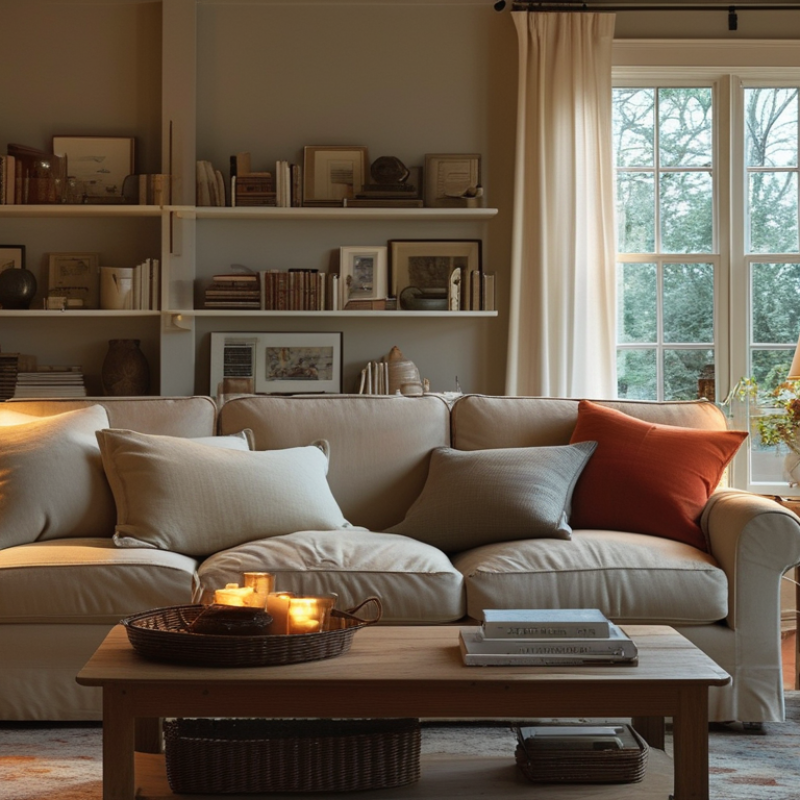
How to Choose the Best Color Temperature for Your Living Room?

Understanding Color Temperature: Definition and Importance in Lighting

Understanding color temperature is crucial when designing your living room lighting. It refers to the color of light emitted by a bulb, measured in Kelvin (K). A warmer light (around 2700K-3000K) creates a cozy atmosphere. Meanwhile, cooler light (above 4000K) is energizing and great for task-oriented spaces. Research from the Light Research Institute shows that the right color temperature can enhance mood and productivity.

When selecting lighting for your home, consider the activities that will take place in the space. For relaxation, softer, warmer tones promote calmness. Conversely, if you read or work in the living room, opt for cooler temperatures. The American Society of Interior Designers emphasizes that appropriate color temperature can make a room feel larger or more intimate.

Tips: Test different bulbs in your living room. The same bulb can appear different depending on surrounding colors and features. Observe how it changes throughout the day. Balance is key; mixing warm and cool lights can create depth. Be mindful, though, as an overabundance of cool light may lead to a sterile feel. Always experiment with various combinations to find what resonates with you.

Color Temperature Preferences in Living Rooms

The Science Behind Color Temperature: Kelvin Scale Explained

The Kelvin scale measures color temperature, ranging from warm to cool light. This scale helps us understand how different types of light affect our living space. For instance, lower Kelvin values, around 2700K, emit a cozy, warm glow. This color temperature is ideal for creating a relaxed atmosphere in your living room.

Conversely, higher Kelvin values, such as 5000K to 6500K, provide a cooler, bluish light. This type of illumination can enhance focus and alertness, making it suitable for task-oriented spaces. However, too much cool light can feel harsh and clinical, which might not be ideal for a comfortable living environment.

Finding the right balance can be challenging. Many homeowners opt for a mix of light sources to achieve the desired effect. Experiment with different bulbs and placements to see which combinations resonate with you. Reflecting on the ambiance you wish to create is key. Your living space should feel inviting and warm, not overly bright or sterile.

Choosing the Right Color Temperature for Different Living Room Activities

When selecting the right color temperature for your living room, consider the activities you’ll be doing there. For reading or engaging in hobbies, a cooler color temperature between 4000K and 5000K may be ideal. This range provides bright, crisp light that enhances focus and reduces eye strain. Think about adding a bright lamp near your reading chair for those cozy evenings.

For relaxation or watching movies, softer, warmer tones between 2700K and 3000K create a cozy atmosphere. This warmth promotes a calming effect, making it perfect for winding down at the end of the day. Soft, dimmable lights can add a touch of ambiance, allowing you to adjust the mood according to the time or activity.

It’s important to test various lighting fixtures and see how they interact with your wall colors and furniture. Sometimes the "perfect" light can feel harsh or off. Experimenting with smart bulbs can also offer flexibility. You might find that your preferences change with the seasons or different events. Reflecting on your environment helps in finding the balance between functionality and comfort.

Impact of Color Temperature on Mood and Ambiance in the Living Room

Color temperature significantly influences the mood and ambiance of your living room. Warmer tones, like soft whites, create a cozy atmosphere. They are inviting and promote relaxation. This is ideal for evenings spent with family or friends. Cooler temperatures, such as daylight whites, energize the space. They bring focus and clarity, making them suitable for reading or working.

Lighting choice is often overlooked. Many do not realize that color temperature can alter your perception of a room. A space with cool lighting can feel sterile, while warm lighting enhances intimacy. Pay attention to how different temperatures make you feel. It’s essential to evaluate your personal preferences. Sometimes, the right temperature can transform an ordinary space into a warm retreat.

At times, we may choose lighting that feels trendy but doesn't suit our needs. Reflect on what makes your living room feel comfortable. Experimenting with various color temperatures can yield surprising results. It’s not just about making your space look good; it’s about how it feels. Don't be afraid to reconsider your choices and adapt based on your experiences.

How to Choose the Best Color Temperature for Your Living Room?

Color Temperature (Kelvin) Ambiance Mood Impact Best Uses
2700K Warm and Cozy Relaxing, Inviting Living Rooms, Bedrooms
3000K Soft White Warm, Comforting Dining Areas, Living Rooms
3500K Neutral White Balanced, Invigorating Living Rooms, Offices
4000K Cool White Alert, Focused Kitchens, Study Areas
5000K Daylight Energizing, Stimulating Offices, Workspaces

Expert Recommendations for Ideal Color Temperatures in Residential Settings

When selecting the ideal color temperature for your living room, consider how it affects mood and functionality. Experts suggest 2700K to 3000K for cozy spaces. This warm light creates a welcoming atmosphere. It mimics the softness of candlelight, making gatherings feel intimate. Use it for areas where relaxation is key.

On the other hand, cooler color temperatures, like 3500K to 4100K, can enhance focus. These shades are suitable for reading nooks or workspaces within your living room. They provide clarity and energy, which can be beneficial for mid-day productivity. However, too much cool light may feel harsh. Balance is essential to avoid discomfort.

Choosing the right color temperature requires thoughtfulness. A mix can cater to various activities. You might find that zones with different temperatures serve distinct purposes. Experiment with different bulbs to see what resonates well. You may love the warm glow in the evening but crave brightness during the day. Finding the right balance can lead to a versatile and inviting living space.

FAQS

: What does the Kelvin scale measure?

: The Kelvin scale measures color temperature, indicating light's warmth or coolness.

What is a low Kelvin value?

A low Kelvin value, around 2700K, emits a warm glow, ideal for cozy environments.

How do higher Kelvin values affect light?

Higher Kelvin values, between 5000K and 6500K, produce cooler, bluish light that enhances focus.

What mood does warm light create?

Warm light creates a cozy atmosphere, promoting relaxation and intimacy in a living space.

Can color temperature influence the perception of a room?

Yes, cool lighting can make a room feel sterile, while warm lighting enhances comfort.

How can homeowners achieve the right lighting balance?

Experimenting with various light sources and placements can help create the desired ambiance.

Should lighting choices reflect personal preferences?

Yes, it’s important to reflect on what lighting feels comfortable and inviting for you.

What happens if we choose trendy lighting?

Trendy lighting may not always suit your needs, so it's wise to reconsider your choices.

Is it worth experimenting with different light temperatures?

Absolutely! Different temperatures can yield surprising results and impact how a space feels.

What role does ambiance play in a living room?

The right ambiance can transform an ordinary space into a warm retreat for relaxation.

Conclusion

When considering "How to choose the right color temperature for a living room?", it's essential to understand the concept of color temperature and its significance in creating the desired ambiance. Color temperature is measured in Kelvins (K) and affects the overall mood and functionality of the space. For different activities, varying color temperatures can enhance productivity or relaxation; for instance, warmer tones (around 2700K-3000K) are often preferred for cozy, intimate settings, while cooler tones (4000K-5000K) can be beneficial for tasks requiring focus.

Moreover, the impact of color temperature on mood cannot be understated. Warmer light tends to create a comforting atmosphere, while cooler light may evoke a more energizing environment. Therefore, it's crucial to consider expert recommendations that suggest specific color temperatures to ensure a harmonious and appealing living space suited for various activities and emotional needs. By thoughtfully choosing the right color temperature, you can significantly enhance the aesthetic and functional qualities of your living room.

Mason

Mason

Mason is a seasoned marketing professional with a deep expertise in the company's offerings and a passion for driving brand awareness. With a strong background in digital marketing strategies, he has an innate ability to connect with diverse audiences and effectively communicate product benefits.......