 Ledic Lighting
2026 How to Choose Minimalist Architectural Lighting Trends?
As the architectural landscape evolves, minimalist lighting trends are gaining momentum. The global architectural lighting market is projected to reach $14.2 billion by 2026, according to a report by MarketsandMarkets. This shift suggests a rising demand for simplicity and elegance in design. In this context, the question emerges: "What are the latest trends in minimalist architectural lighting?"
Minimalist lighting emphasizes form and function. Through innovative designs that focus on clean lines and subtle illumination, architects aim for both aesthetic appeal and energy efficiency. A well-executed minimalist approach allows spaces to breathe while highlighting architectural features. However, some may question whether simplicity risks becoming too stark or impersonal. It’s essential to strike a balance, ensuring that each piece contributes to the overall atmosphere.
Examining the latest industry reports reveals that LED technology is at the forefront of this trend. Energy-efficient solutions not only reduce costs but also enhance sustainability. Still, it's crucial for designers to consider the emotional impact of lighting. How can minimalist designs evoke warmth and comfort? This challenge is where creativity must meet practicality, fostering an environment that resonates with users while embracing the essence of minimalism.
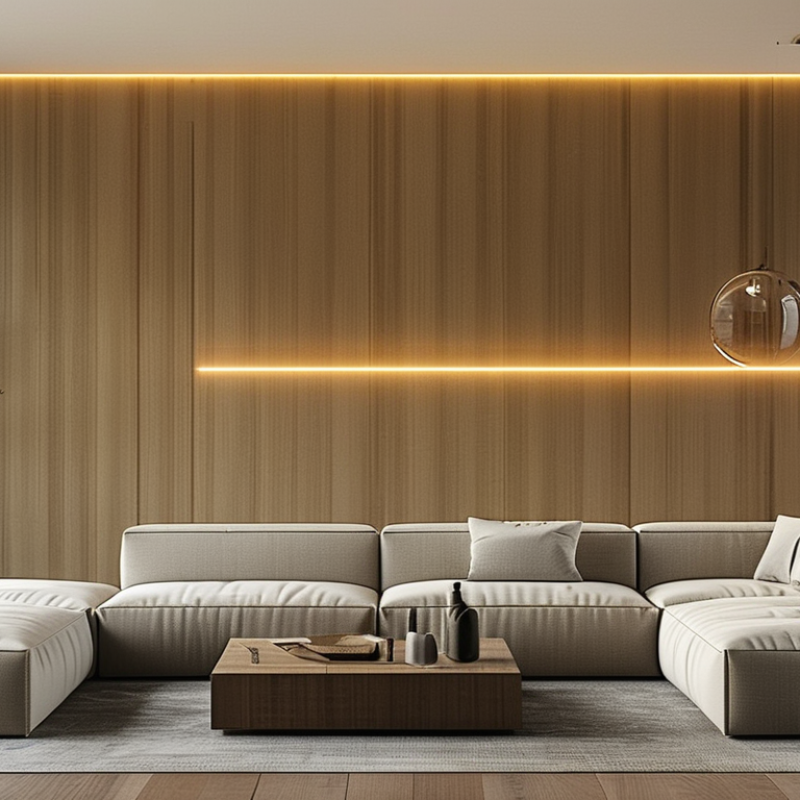
Understanding Minimalist Architectural Lighting Concepts
Minimalist architectural lighting emphasizes simplicity and functionality. It focuses on creating an atmosphere with less clutter and more meaning. To understand these concepts, one must recognize the balance between form and function. The right lighting can enhance the architectural features of a space while maintaining a sleek appearance.
When selecting minimalist lighting, consider the materials used. Metal, glass, and other simple materials can enhance the aesthetic. Choose fixtures that complement the overall design without overwhelming it. Experiment with different placements to see how the light interacts with shadows and space.
Tips: Aim for a cohesive palette. Use a limited number of finishes to create harmony. Also, incorporate natural light where possible. Large windows or skylights can augment the minimalist lighting effect. Remember to reflect on your choices and reconsider what truly fits within your vision. Sometimes, less is genuinely more. Redundant fixtures may disrupt the clean look you desire.
2026 How to Choose Minimalist Architectural Lighting Trends?
| Lighting Type | Key Features | Recommended Use | Design Style | Color Temperature |
|---|---|---|---|---|
| LED Recessed Lights | Slim profile, energy-efficient | Living rooms, corridors | Contemporary, modern | 3000K - 4000K |
| Pendant Lights | Sleek designs, adjustable heights | Dining areas, kitchens | Industrial, minimalist | 2700K - 3000K |
| Wall Sconces | Space-saving, ambient lighting | Hallways, bedrooms | Scandinavian, minimalism | 3000K - 5000K |
| Track Lighting | Versatile directional lighting | Art galleries, studios | Modern, functional | 3500K - 5000K |
| Floor Lamps | Tall, adjustable brightness | Living rooms, reading corners | Mid-century, contemporary | 3000K - 4000K |
FAQS
: Minimalist architectural lighting emphasizes simplicity and functionality, creating atmosphere with less clutter.
Materials like metal, glass, and wood influence both aesthetics and functionality of lighting fixtures.
Choose fixtures that complement your design and avoid overwhelming the space with unnecessary elements.
Use large windows or skylights to enhance the minimalist lighting effect and bring the outdoors in.
Trends include clean lines, neutral colors, organic shapes, and smart lighting solutions for better control.
It's crucial. Striking a balance enhances aesthetic appeal while maintaining the intended functionality of the space.
Metal finishes look sleek but can easily show fingerprints and dust, requiring regular maintenance.
Sustainable materials like bamboo add character and support eco-friendly design principles without sacrificing aesthetics.
Limit finishes and aim for harmony among fixtures to achieve a streamlined, minimalist look.
Avoid redundant fixtures that disrupt the desired clean look and reflect on which elements truly add value.
Conclusion
In the evolving landscape of architecture, minimalist lighting has emerged as a pivotal element in enhancing aesthetic and functional qualities. Understanding minimalist architectural lighting concepts encompasses key elements such as simplicity, functionality, and the artful use of space. As we look ahead to 2026, it’s essential to explore what are the latest trends in minimalist architectural lighting? This includes a focus on sleek lines, neutral color palettes, and the strategic use of natural light.
Selecting the right materials for minimalist lighting fixtures plays a critical role in achieving a cohesive design, with a preference for sustainable and high-quality options. Additionally, the integration of technology, such as smart lighting systems and energy-efficient solutions, not only enhances the functionality but also aligns with the minimalist ethos. Together, these aspects contribute to creating cohesive, contemporary spaces that prioritize simplicity and elegance in lighting design.
