The rise of smart home technology has transformed how we interact with our living spaces. One prominent question is, "Can LED track lights be controlled by a smartphone app?" As homeowners seek convenience and energy efficiency, the demand for smart lighting solutions grows. David Lentz, an industry expert in smart lighting systems, states, “The integration of LED track lights with smartphone apps is not just a trend; it's the future of home automation.”
In recent years, many manufacturers have developed innovative products that allow users to manage their lighting remotely. Users can change colors, set schedules, and adjust brightness, all from their phones. However, not all LED track lights offer this capability. Some users may feel overwhelmed when choosing the right product. The features of smart lighting vary significantly among brands.
Despite rapid advancements, challenges exist. Not all apps are user-friendly, and compatibility issues can arise. Many homeowners wrestle with these frustrations. Maintaining a balance between technology and usability is essential. Understanding whether "LED track lights can be controlled by a smartphone app" is just one piece of a larger conversation about the future of our homes.
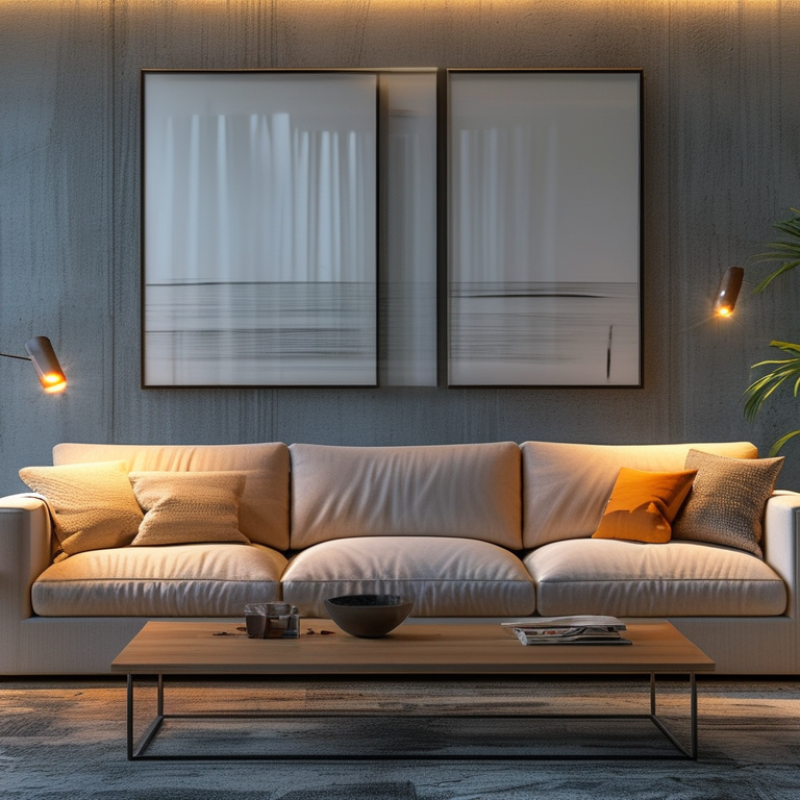
LED track lights have emerged as a favorite in modern lighting solutions. Their versatility is evident in homes and commercial spaces. Understanding their features is essential to maximize their potential. Typically, these fixtures can be adjusted to direct light where it’s needed. According to a report from the Global Lighting Association, 45% of consumers prefer adjustable lighting options for enhancing ambiance.
Smart capabilities are becoming standard in LED track lights. Many now offer control through smartphone apps. This trend aligns with the growing smart home market, projected to reach $174 billion by 2025. With app control, users can adjust brightness and color temperatures seamlessly. However, the integration process can be complex, sometimes leaving users frustrated.
Another factor to consider is energy efficiency. According to the Department of Energy, LED lights use at least 75% less energy than incandescent bulbs. This significant reduction is crucial for both environmental sustainability and cost savings. Yet, not all LED track lights deliver the same efficiency. Consumers must conduct research to find reliable products. The market can be overwhelming, but informed choices lead to better outcomes.
The rise of smart lighting technologies has transformed how we interact with our environments. LED track lights that can be controlled via smartphone apps are at the forefront of this shift. These systems offer convenience and personalization, making it easy for users to adjust brightness and color remotely.
However, not everything is seamless. User interfaces can be confusing, and not all devices sync reliably. Some people find themselves struggling to connect their lights to Wi-Fi. It raises questions about compatibility. The technology is advancing, yet inconsistencies can frustrate even the most tech-savvy users.
Despite these challenges, the appeal remains strong. Imagine setting the perfect ambiance with a tap on your phone, whether you’re hosting a gathering or enjoying a quiet night in. As smart lighting technology evolves, it promises a brighter, more customizable future for our living spaces.
This chart illustrates the increasing adoption rate of smart LED track lights from 2020 to 2023. As smart lighting technologies rise in popularity, more consumers are integrating these systems into their homes, enhancing convenience and energy efficiency.
Controlling LED track lights with a smartphone app is increasingly popular. Smartphone apps provide a user-friendly interface for managing lighting. Users can adjust brightness, color, and schedules easily. This technology uses Bluetooth or Wi-Fi to connect lights to devices seamlessly.
Many apps feature customizable settings, allowing users to create mood lighting for different occasions. Some offer voice control, which enhances convenience for those with hands full. Additionally, regular updates can improve app functionality and user experience.
**Tips:** When setting up your app, ensure your smartphone is close to the lights for a stronger connection. Regularly check for app updates to access new features or fixes. If the connection fails, a simple restart of your app or lights may resolve the issue.
Remember, each home is different. You may need to adjust your settings over time to find what works best for you. Experimenting with different colors can create distinct atmospheres, while scheduling lights can help with energy efficiency. The journey of mastering your lighting setup is ongoing and rewarding.
Controlling LED track lights via smartphone apps is gaining traction in modern homes. A recent industry report states that smart lighting solutions are expected to grow by 30% annually. This growing trend emphasizes the convenience and efficiency of smartphone integration. Homeowners can adjust lighting from anywhere, ensuring their spaces are vibrant when they arrive home.
One of the notable benefits of smartphone-controlled track lights is energy efficiency. Studies reveal that smart lighting can reduce energy consumption by up to 50%. Users can set schedules, dim lights, and even use motion sensors to enhance energy savings. This functionality empowers homeowners to tailor their lighting according to their needs, while also contributing to sustainability efforts. However, some users may find the initial setup and app navigation confusing.
Another significant advantage is customization. Smartphone apps often provide unique features, such as color changes and scene settings. This allows users to create the perfect atmosphere for any occasion. A report indicated that over 80% of consumers enjoy personalizing their home environments. However, the dependence on technology poses challenges. Connectivity issues can disrupt seamless control. As technology evolves, these concerns could diminish but may not disappear completely.
Setting up LED track lights with a smartphone app can greatly enhance your space. To begin, ensure your LED lights are compatible with the app. Check the specifications in the user manual. Download the app from a reputable source. Many smart lighting apps have user-friendly interfaces, but navigating them can sometimes be tricky.
Once installed, follow the app's instructions to connect your lights. This usually involves creating an account and linking your home Wi-Fi. Pairing the lights may take a few tries. If the lights do not connect immediately, resetting them might help. Make sure your Wi-Fi signal is strong in the installation area.
After connecting the lights, you can explore various features. These may include brightness adjustments and color changes. Experimenting with different settings can lead to unexpected results. Sometimes, the app may not respond as intended, which can be frustrating. Patience is key. Documenting any issues can help you troubleshoot later or seek assistance online. Each setup is unique, and learning from minor failures is part of the process.
| Feature | Description | Setup Difficulty | Compatibility | Control Range |
|---|---|---|---|---|
| Dimming Control | Adjust brightness levels using the app. | Medium | iOS, Android | 30 ft |
| Color Changing | Select from a spectrum of colors. | High | iOS, Android, Smart Home Devices | 50 ft |
| Scheduling | Set timers for automatic on/off. | Medium | iOS, Android | 30 ft |
| Voice Control | Integrate with voice assistants. | High | iOS, Android, Smart Home Devices | Dependent on Network |
| Scene Setting | Create and save lighting scenes. | Medium | iOS, Android | 30 ft |
: Smart lighting technologies allow users to control lights using smartphone apps. They enhance convenience and personalization.
You can use a smartphone app to adjust brightness, color, and schedules for LED track lights.
Yes, sometimes user interfaces can be confusing. Devices may not sync properly, causing frustration.
Make sure your smartphone is close to the lights. If issues persist, consider restarting the app or lights.
Absolutely! Many apps allow you to create mood lighting tailored to various events or feelings.
Regular updates can improve functionality and user experience. Check for updates often.
Yes, many apps support voice control for added convenience, especially when your hands are full.
Yes, many users find the initial setup challenging. It takes time to get used to the interface.
Experiment with different colors and schedules. Adjust settings routinely to discover what suits you best.
Yes, scheduling lights can help reduce energy use. It’s a simple way to be more efficient at home.
The article titled "Can You Control LED Track Lights with a Smartphone App?" explores the evolving technology of smart lighting, specifically focusing on LED track lights and their capabilities. It begins by explaining the features and advantages of LED track lights, which are not only energy-efficient but also versatile in design and application. The rise of smart lighting technologies has paved the way for users to manage lighting through smartphone apps, enhancing convenience and control.
The piece delves into how these apps interface with LED track lights, allowing users to customize settings such as brightness and color. The benefits of using a smartphone app for controlling track lights are significant, providing users with flexibility and ease of use. A step-by-step guide is also included, illustrating the setup process. Overall, readers will find that the answer to the question, "Can LED track lights be controlled by a smartphone app?" is a resounding yes, ushering in a new era of intelligent home lighting solutions.

Ledic Lighting