Creating a layered lighting scheme is crucial in small bedrooms, where space is limited. According to lighting expert Sarah Johnson, “Proper lighting transforms a small space into a cozy retreat.” Understanding how to create a layered lighting scheme in a small bedroom can make a significant difference in functionality and aesthetics.
Layered lighting involves combining ambient, task, and accent lighting to ensure a well-balanced glow in every corner. Ambient light forms the foundation, providing overall illumination. Task lighting focuses on areas for activities like reading or studying, often coming from table lamps or wall sconces. Accent lighting highlights artwork or architectural features, enhancing depth and interest.
In a small bedroom, every light source counts. Overlooking the importance of quality and placement can lead to dark corners or glare. It’s essential to experiment with angles and brightness levels, as well as choosing fixtures that add character without overwhelming the space. Consider versatile pieces that serve multiple functions to maximize both utility and style. Your approach to creating a layered lighting scheme has the power to redefine your bedroom’s atmosphere.
Understanding Layered Lighting Concepts for Small Bedrooms
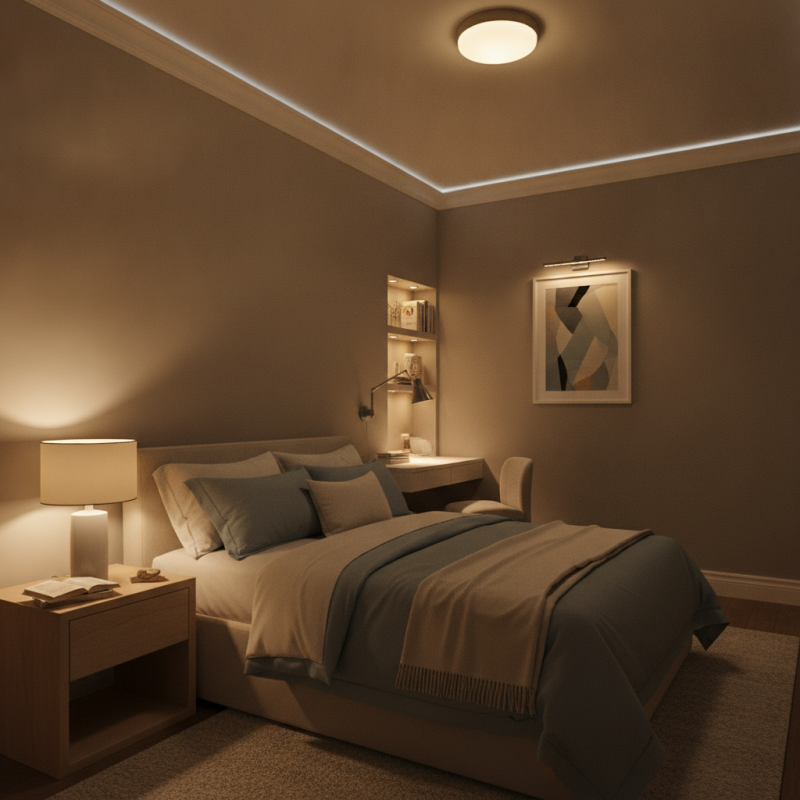
Layered lighting is essential for small bedrooms. It creates an inviting and functional atmosphere. A mix of ambient, task, and accent lighting can dramatically improve the space. Ambient lighting serves as the foundation. Use ceiling fixtures or wall sconces that provide indirect light. This technique brightens the entire room, making it feel more spacious.
Task lighting is crucial for activities like reading or working. Bedside lamps are perfect for this purpose. Choose adjustable lamps to direct light where needed. They should be bright enough but not overpowering. Accent lighting, while often overlooked, adds character. Try incorporating floor lamps or decorative string lights. These elements highlight specific features, such as artwork or shelves.
Consider the color temperature of your lights. Warmer tones create a cozy feel. Cooler tones can make the space seem cleaner. Experiment with different intensities, too; a dimmer switch allows for flexibility. Reflect on the balance between function and ambiance. Too much light can be overwhelming, while too little can result in shadows. Aim for harmony in your layered lighting design. This approach enhances not only functionality but also the overall aesthetic of your small bedroom.
Identifying Key Lighting Sources: Ambient, Task, and Accent
When designing layered lighting for a small bedroom, understanding the three key lighting sources is essential:
ambient,
task, and
accent.
Ambient lighting serves as the primary light source. It should be soft yet sufficient. Studies show that well-lit bedrooms enhance sleep quality and well-being. The right ambient light can make a small room seem larger. Aim for
100 to 150 lumens per square meter.
Task lighting is crucial for specific activities. Consider where you read or work. A focused light source, like a desk lamp, should illuminate these areas directly. Reports suggest that poorly lit workspaces can decrease
productivity by up to 30%. Therefore, select fixtures that can be adjusted to minimize glare. This creates a comfortable atmosphere for reading or hobbies.
Accent lighting adds personality and highlights key features. It can direct attention to artwork or architectural details. However, overdoing it may clutter the space. The balance is key. A professional design tip is to use
dimmable fixtures for flexibility and mood setting. This adaptability allows you to switch from bright focus to soft ambiance easily, creating a welcoming environment in a small context. Balancing these elements can be a challenge, but it’s essential for a functional and stylish bedroom.
Choosing the Right Fixtures: Size, Style, and Functionality
When designing layered lighting for a small bedroom, choosing the right fixtures is crucial. Size, style, and functionality should guide your selections. For instance, consider the dimensions of your room. A large chandelier may overwhelm the space, while a compact pendant light can add charm without crowding. Wall sconces offer great alternatives, providing light without occupying floor space.
Style is another important factor. Match lighting fixtures with your bedroom's decor. A minimalist room may benefit from sleek, modern designs. Conversely, a cozy, traditional space could shine with vintage-inspired fixtures. Remember, functionality is key. Task lighting is essential for reading or working. A bedside lamp with adjustable brightness allows for versatility. Don’t overlook ambient lighting, which creates a relaxing atmosphere.
Reflect on your choices. A mismatched fixture can throw off the room’s vibe. Experiment with different placements before making permanent decisions. Try layering various light sources, such as overhead lighting, lamps, and even fairy lights. This method adds depth and warmth but requires careful planning. Each layer should complement the others, enhancing comfort and style.
Creating Balance: Positioning Lights for Maximum Effect
Layered lighting in a small bedroom is essential. Proper positioning of lights can create a harmonious balance. According to a 2022 report by the American Lighting Association, optimal placement enhances both mood and functionality. Strategic layering brings depth and texture to small spaces.
Consider using ambient, task, and accent lights together. Position fixtures to eliminate dark corners. A bedside lamp can offer cozy reading light. Ceiling fixtures should provide overall illumination. Dimmer switches allow adjustment for different moods. Overhead lighting should not be harsh nor too dim. The aim is to create a warm yet practical environment.
Reflect on how light sources intersect. A soft glow from a table lamp can complement bright overhead lights. Experimenting with different placements might feel overwhelming. Sometimes, the balance isn’t instantly visible. It’s essential to adjust and rethink positions until it feels right. Aim for that perfect mix of brightness and comfort.
Incorporating Dimmers and Smart Controls for Flexibility
Incorporating dimmers and smart controls in your small bedroom lighting design can enhance flexibility and functionality. Studies indicate that adjusting light levels can increase comfort and reduce eye strain by up to 20%. Dimmers allow for a range of lighting options, from bright task lighting to soft, ambient glow. You might experiment with various settings, discovering how they impact the overall mood of the room.
Smart controls add another layer of convenience. According to industry reports, homes using smart lighting systems have reported a 15% increase in energy efficiency. Imagine programming your lights to sync with your daily routine. As the sun sets, your lights gradually dim, creating a calming environment. However, these technologies can be overwhelming, especially for those unfamiliar with them. It’s essential to assess personal comfort levels with such systems.
With careful planning, layered lighting transforms your small bedroom. It's about balancing practicality with aesthetics. Focusing on the flexibility of dimmers and smart controls can help you create a versatile atmosphere. Reflect on how you use your space daily. This reflection often leads to more effective solutions tailored to your lifestyle. Experimentation will reveal your preferences and how these adjustments can enhance your small bedroom experience.
How to Design Layered Lighting for a Small Bedroom?
| Lighting Type |
Description |
Advantages |
Dimming Options |
Smart Control Availability |
| Ambient Lighting |
Provides overall illumination for the room. |
Creates a warm and inviting atmosphere. |
Yes, adjustable brightness. |
Available with smart switches. |
| Task Lighting |
Focused lighting for specific tasks like reading or working. |
Enhances functionality and reduces eye strain. |
Yes, suitable for flexible use. |
Compatible with smart controls. |
| Accent Lighting |
Highlights decorative elements or areas. |
Adds visual interest and depth to the space. |
Dimmable options for effect control. |
Often integrated with smart systems. |
| Natural Light |
Incorporates sunlight through windows. |
Boosts mood and reduces energy costs. |
N/A - relies on external conditions. |
Can be combined with automated blinds. |
Conclusion
To answer the question of "How to create a layered lighting scheme in a small bedroom?" it's essential to understand the three key types of lighting: ambient, task, and accent. Ambient lighting serves as the primary source of light, creating a warm and welcoming atmosphere. Task lighting focuses on specific areas for activities like reading or working, while accent lighting adds aesthetic appeal by highlighting art or architectural features.
Choosing the right fixtures is crucial; they should complement the size and style of the room while serving their intended function. Proper positioning of these lights ensures a balanced illumination that enhances the room's dimensions and usability. Finally, incorporating dimmers and smart controls allows for flexibility in adjusting light levels to create the perfect mood and enhance the overall ambiance, making your small bedroom feel cozy and functional.
 Ledic Lighting
