When planning kitchen task lighting, one question often arises: "How many lumens do I need for kitchen task lighting?" The Illuminating Engineering Society recommends between 300 to 700 lumens per square meter for kitchen tasks. This ensures that every corner of the kitchen is well-lit, enhancing both functionality and safety.
In a kitchen, different areas require different lighting levels. For example, the prep area, where knives and other tools are used, needs brighter light than the dining area. Striking the right balance can be challenging. Overly bright lights can create glare, while too dim lighting may hinder visibility.
Research indicates that well-lit kitchens make cooking easier and improve overall mood. However, factors like color temperature and fixture placement can significantly impact how the light is perceived. It's vital to consider these elements for optimal results. Choosing the right lumens is just one part of a well-thought-out lighting design. Each kitchen is unique, and adjustments may be necessary to achieve the best outcome.
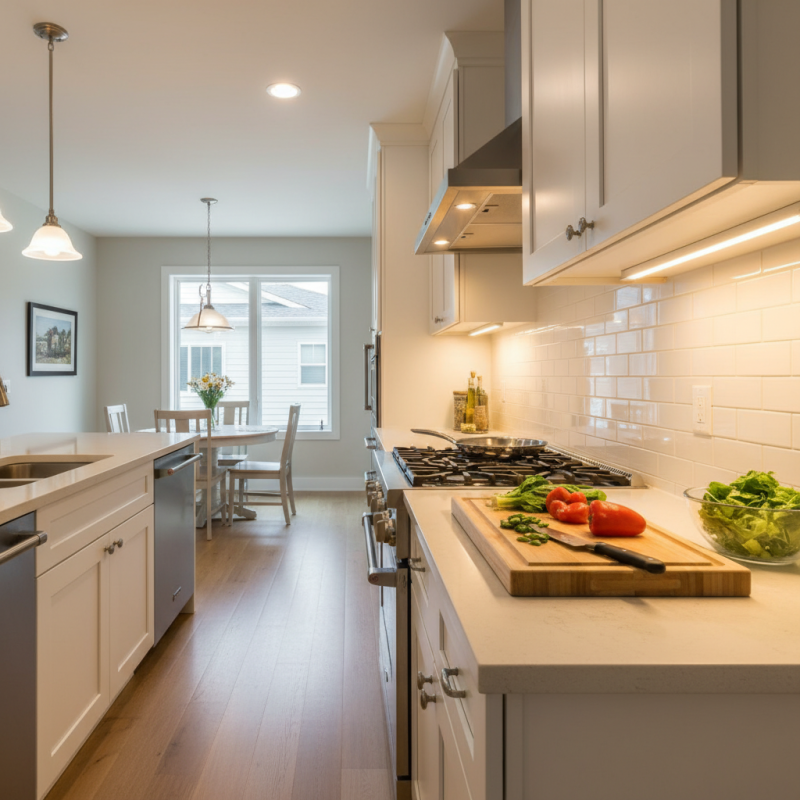
Understanding Lumens and Their Role in Lighting
Understanding lumens is crucial for effective kitchen task lighting. Lumens measure the brightness of light emitted. The more lumens, the brighter the light. For kitchens, task areas like countertops require focused, bright lighting. This can improve visibility and safety while cooking.
When choosing lumens, consider your kitchen's size and color scheme. A small, dark kitchen may need higher lumens to appear bright. Meanwhile, larger spaces can use fewer lumens if painted in light colors. Aim for around 150-300 lumens per square foot for adequate task lighting. However, personal preferences and specific working habits can affect the choice.
Reflect on your current lighting situation. Is it bright enough for detailed tasks? Do shadows hinder your work? These questions guide your decisions. Proper lighting enhances efficiency, but it requires trial and adjustment. For the best results, experiment with different lumen levels. This way, you can find the perfect balance for your kitchen.
Identifying Kitchen Tasks Requiring Specific Lighting
Bright, effective lighting is crucial in the kitchen. Not all tasks require the same lighting level. Different activities demand unique types of illumination.
Cooking, chopping, and food preparation are tasks that need focused light. According to the Illuminating Engineering Society, optimal kitchen task lighting should aim for around
300 to 500 lumens per task zone.
For precision tasks like chopping vegetables, aim for at least 500 lumens concentrated on the work surface. For general cooking,
300 lumens may suffice. Keep in mind that shadows can be problematic. It’s often important to have multiple light sources to reduce these shadows and ensure clarity during cooking.
Tips: Use under-cabinet lighting to brighten countertops. This strategy helps illuminate areas without creating excessive glare.
Consider dimmable lights for flexibility. This option allows adjustments based on the task or mood.
Lighting can be daunting. It's easy to overlook the importance of proper fixtures. Many homeowners compromise on lighting design, leading to poor visibility.
Assess your kitchen layout before making decisions. Each section should cater to specific activities. Remember, a well-lit kitchen is safer and more enjoyable.
Calculating the Ideal Lumens for Different Kitchen Areas
When calculating the ideal lumens for different kitchen areas, consider each space's unique functions. The kitchen requires bright, focused lighting for specific tasks. For countertops, aim for about 300 to 700 lumens per fixture. This range ensures you can chop vegetables and read recipes without straining your eyes.
Consider ambient lighting as well. Overhead fixtures can provide 150 to 300 lumens. This level creates a warm, inviting atmosphere. However, balance is essential. Too bright, and it feels harsh; too dim, and tasks become challenging.
Don't forget the shadows! Dark corners may emerge if fixtures aren't strategically placed. Use under-cabinet lights to illuminate these spots effectively. It’s worth examining various setups to find what truly works. Sometimes, adjustments lead to unexpected improvements in your kitchen's functionality. Reflect on the tasks performed most frequently to determine appropriate lighting.
How to Determine the Right Lumens for Kitchen Task Lighting?
| Kitchen Area |
Recommended Lumens |
Description |
| Task Work Area (e.g., countertop) |
300 - 500 lumens per square meter |
Ideal for food prep and cooking |
| Sink Area |
200 - 300 lumens per square meter |
Helps in washing and cleaning |
| Cooking Surface (Stove) |
500 - 800 lumens per square meter |
Essential for visibility while cooking |
| Refrigerator Area |
100 - 200 lumens per square meter |
For easy visibility of stored items |
| Pantry or Storage Area |
100 - 150 lumens per square meter |
Sufficient light for organizing supplies |
Choosing Fixtures That Provide Adequate Lumens
When selecting fixtures for kitchen task lighting, understanding the required lumens is crucial. The Illuminating Engineering Society recommends between 300 to 700 lumens for task areas like countertops. This range is vital for ensuring clarity while prepping food or cooking.
To achieve adequate lumens, consider the type of fixtures you choose. LED lights are popular due to their efficiency. They provide high lumens per watt, which can lead to energy savings. Additionally, pendant lights or under-cabinet fixtures can be optimized to direct light where it is needed most.
However, achieving the right balance can be tricky. Too much brightness can cause glare, making it uncomfortable during food preparation. For instance, a 100-watt incandescent bulb yields about 1600 lumens, often too intense in a small kitchen space. Assessing your needs may lead to experimenting with various lumen levels, reflecting on what works best in your unique environment.
How to Determine the Right Lumens for Kitchen Task Lighting
When choosing the right task lighting for your kitchen, it's important to consider the lumens required for various tasks. The following chart illustrates the average lumens needed for different kitchen activities to ensure adequate visibility and functionality.
Adjusting Lighting Levels for a Comfortable Kitchen Environment
Creating a comfortable kitchen environment relies heavily on proper lighting. The right lumens for task lighting can make a difference between a functional space and a frustrating one. For kitchen tasks like chopping vegetables or reading recipes, aim for at least 300 to 500 lumens in those work areas. This level of brightness enhances visibility and helps avoid accidents.
When adjusting lighting levels, consider layering your sources. Ambient lighting serves as the overall light, while task lighting focuses on specific areas. Under-cabinet lights, for instance, illuminate countertops directly, providing clarity where you need it most. But too much brightness can lead to glare. Be mindful of the light fixtures and their placement. Your eyes can become strained if the contrast isn't balanced.
Tips for achieving a comfortable kitchen glow: choose dimmable lights for flexibility and energy savings. Experiment with color temperatures as well—warmer lights can create a cozier atmosphere, while cooler temperatures offer a crisp, clean look. Avoid relying solely on one type of lighting. Sometimes the distribution is uneven, leaving some spots too dark. Adjust and find the right balance for your needs.
Conclusion
To determine "How many lumens do I need for kitchen task lighting?", it's essential to first understand the concept of lumens— the measure of light output. Different kitchen tasks require varying levels of brightness; for instance, tasks such as chopping vegetables or reading recipes often need brighter lighting than general ambiance.
Calculating the ideal lumens for specific kitchen areas involves considering factors like the size of the space and the type of activities performed. Typically, around 300-500 lumens per square meter is recommended for task lighting. It’s also crucial to choose appropriate fixtures that can deliver these lumens effectively. Lastly, adjusting lighting levels, whether through dimmers or layered lighting, contributes to a comfortable and functional kitchen environment, ensuring that you have just the right amount of illumination for all your culinary tasks.
 Ledic Lighting
