What is the difference between fire rated and non fire rated downlights?

Time:2026-07-02 Author:Isabella
0%

In today's construction and renovation landscape, understanding safety standards is paramount. A critical component of this is the choice between fire-rated and non-fire-rated downlights. These lighting fixtures can significantly impact how a building responds to fire incidents, influencing both occupant safety and property damage. According to a 2022 report by the National Fire Protection Association (NFPA), nearly 1,500 structural fires occur annually due to electrical failures, underscoring the necessity of selecting suitable lighting products.

Leading expert in fire safety, Dr. Emily Carter, emphasizes this distinction: "Choosing the right downlights can vastly affect a building's fire safety." Her insights reflect the importance of considering fire ratings when addressing safety in architectural design. Fire-rated downlights are specifically engineered to prevent the spread of flames and smoke, providing crucial extra minutes for evacuation. On the flip side, non-fire-rated options may lack these critical features, posing risks that cannot be overlooked.

"What is the difference between fire-rated and non-fire-rated downlights?" This question often arises during project planning. While the distinction seems straightforward, the implications can be profound. Property owners must weigh immediate costs against long-term safety and compliance with local building codes. Ultimately, informed decisions in lighting selections are vital for optimal fire safety outcomes.
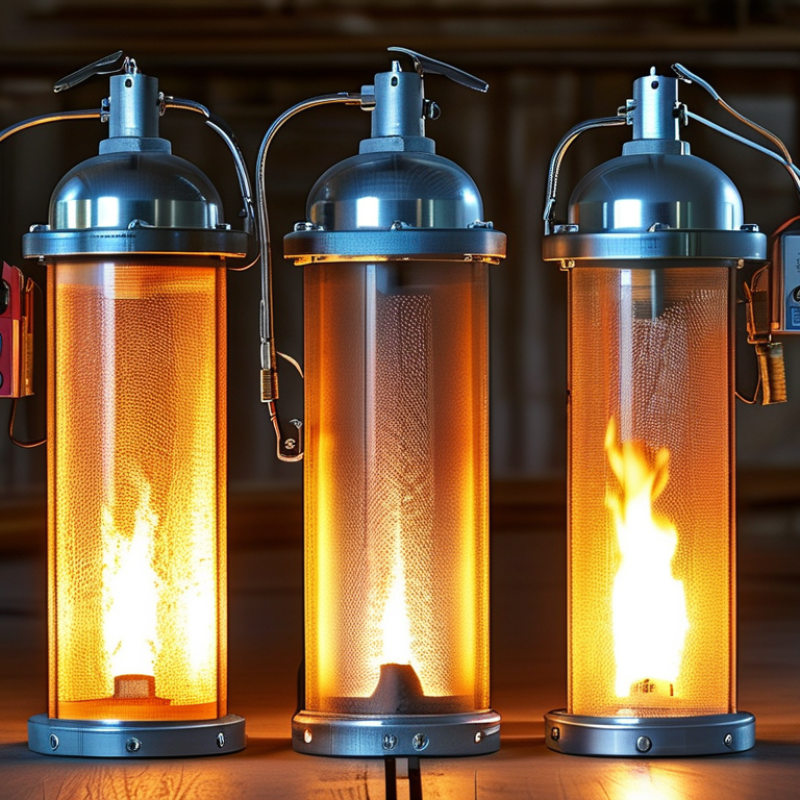
What is the difference between fire rated and non fire rated downlights?

Definition of Fire Rated and Non-Fire Rated Downlights

Fire rated downlights are specifically designed to maintain the integrity of fire barriers. They help prevent flames and smoke from spreading between rooms in a building. These fixtures are rigorously tested to ensure they can withstand high temperatures for a certain period. They often include features like intumescent materials that expand during a fire. This expansion seals the gaps around the downlight, offering added protection.

In contrast, non-fire rated downlights lack these specialized features. They are typically used in areas where fire safety is less of a concern. While these fittings may illuminate spaces effectively, they do not provide the same level of security against fire hazards. Choosing non-fire rated options can lead to potential risks, especially in fire-sensitive environments.

It's essential to consider local building codes. Many regulations require fire rated options in specific areas, such as corridors or stairwells. Yet, some may opt for non-rated fixtures for cost savings. This choice might seem practical at first; however, one must weigh the dangers against initial expenses. Having inadequate safety measures can lead to unsafe situations. It’s a decision that should not be taken lightly.

What is the difference between fire rated and non fire rated downlights?

Feature Fire Rated Downlights Non-Fire Rated Downlights
Purpose Designed to prevent the spread of fire through ceilings Generally not fire-resistant
Fire Rating Duration Available in fire ratings of 30, 60, or 90 minutes No designated fire rating
Installation Location Typically used in commercial buildings and areas requiring fire safety Commonly found in residential settings
Cost Generally more expensive due to enhanced materials Less expensive and budget-friendly
Compliance Must meet specific fire safety regulations May not comply with strict fire codes

Key Features of Fire Rated Downlights

When comparing fire rated and non-fire rated downlights, fire rated options offer crucial safety features. These downlights are designed to limit the spread of fire within ceilings, often maintaining their integrity for up to 90 minutes. According to the National Fire Protection Association (NFPA), fire rated products can significantly reduce fatalities and property damage.

One key feature of fire rated downlights is the intumescent material used in their design. This material expands when exposed to high temperatures, sealing openings in ceilings. This feature plays a vital role in preventing smoke and flames from penetrating through fire barriers. Studies indicate that incorporating fire rated products in commercial buildings can lower insurance costs, highlighting their long-term financial benefits.

Tips: Always verify the certification of downlights against local building codes. Regular inspections can ensure they maintain their effectiveness over time. Choosing the right downlight not only enhances aesthetics but also improves safety standards in residential and commercial spaces. Making informed choices is essential for optimal protection.

Key Features of Non-Fire Rated Downlights

Non-fire rated downlights are popular choices in residential spaces. They are designed for use in ceilings that do not require fire resistance. These fixtures provide adequate lighting and are often less expensive than their fire-rated counterparts. They come in various styles and sizes, making them versatile for different interiors. However, they lack certain safety features that are crucial in commercial buildings or spaces that require fire safety compliance.

A key feature of non-fire rated downlights is their ease of installation. They can be quickly placed into existing ceilings without special fittings. This saves time and reduces labor costs during a renovation. Additionally, they are often lighter in weight, making handling easier for contractors. However, their lack of fire protection means they can allow flames and smoke to spread in the event of a fire. This is a critical consideration that should not be overlooked.

While non-fire rated downlights serve well in many situations, they might not offer the best protection in high-risk areas. Homeowners should assess their needs carefully. In places where fire safety is paramount, opting for fire-rated options is wise. Non-fire rated downlights can provide great illumination, but their limitations may become significant in an emergency. Careful thought about placement and usage is key to ensuring both style and safety are achieved.

Applications and Benefits of Each Type

When choosing between fire rated and non-fire rated downlights, it is essential to understand their applications and benefits. Fire rated downlights are designed to maintain the integrity of building fire barriers. They are ideal for areas where fire safety is a priority, such as commercial spaces and public buildings. Their construction often includes intumescent materials to expand when exposed to heat, preventing flames from spreading through ceilings and walls.

In contrast, non-fire rated downlights are typically suitable for residential applications where fire safety regulations are less stringent. These fixtures are often more cost-effective and come in various styles and finishes. They provide adequate lighting for living spaces, hallways, and kitchen areas. However, using them in high-risk zones may raise concerns about fire safety standards.

Choosing the correct downlight involves balancing aesthetics and safety considerations. Some might overlook the importance of fire rated products in everyday settings, which can lead to potential hazards. For maximum safety, consulting with a lighting expert is advisable. This not only enhances understanding but also helps avoid costly mistakes.

Regulatory Standards and Safety Considerations

When considering downlights, the distinction between fire rated and non-fire rated options is crucial. Fire rated downlights comply with specific regulatory standards, designed to contain and delay the spread of fire. This is particularly essential in multi-story buildings, where fire resistance can mean the difference between life and death. According to the National Fire Protection Association (NFPA), 50% of fire-related fatalities occur in residential structures.


Safety regulations often require fire rated downlights in ceilings, especially where they pass through fire barriers. These fixtures typically undergo rigorous testing to ensure that they can withstand high temperatures and maintain structural integrity. The British Standard BS 476 outlines essential fire safety measures, highlighting the importance of using fire resistant materials in construction. In contrast, non-fire rated options lack these stringent requirements, making them more suitable for areas with lower fire risks.


However, the costs associated with fire rated downlights can be a deterrent for some homeowners and builders. Many may opt for cheaper, non-compliant options, potentially compromising safety. Yet, research indicates that investing in fire rated lighting can reduce fire casualties by up to 30%. Balancing budget constraints with safety needs is a frequent challenge in construction and renovation projects. Ensuring compliance with regulations is not merely a preference; it is a requirement for protecting lives and property.

FAQS

: What are fire rated downlights?

: Fire rated downlights help prevent fire and smoke from spreading. They maintain fire barrier integrity.

How do fire rated downlights work?

They include intumescent materials that expand during a fire. This seals gaps around the fixtures.

Where are non-fire rated downlights commonly used?

Non-fire rated downlights are popular in residential spaces. They fit in ceilings without fire resistance requirements.

What is a key feature of non-fire rated downlights?

Their ease of installation is notable. They can fit into existing ceilings quickly, saving time and labor costs.

Why should I consider fire rated downlights?

They comply with safety regulations. In multi-story buildings, they delay fire spreading, which can save lives.

What are the risks of using non-fire rated downlights?

They may allow flames and smoke to spread during a fire. This can create dangerous situations in emergencies.

How do regulatory standards affect downlight choices?

Regulations often require fire rated options in certain areas. Non-compliance can lead to safety hazards and penalties.

Why might some opt for non-fire rated downlights?

Cost savings attract homeowners and builders. However, this decision may compromise safety during emergencies.

What should homeowners assess when choosing downlights?

It's crucial to evaluate fire safety needs. Adequate protection is necessary for high-risk areas.

What is the importance of investing in fire rated lighting?

It can reduce fire casualties significantly. Compliance with regulations protects lives and property effectively.

Conclusion

Fire-rated and non-fire-rated downlights serve distinct purposes in building safety and design. To answer the question, "What is the difference between fire-rated and non-fire-rated downlights?", fire-rated downlights are specifically designed to provide additional protection against the spread of fire, meeting strict regulatory standards that ensure they can withstand high temperatures for a set period. These downlights often include features such as intumescent materials that expand when exposed to heat, sealing off any gaps and preventing smoke and flames from moving between floors.

In contrast, non-fire-rated downlights do not offer the same level of fire resistance and are typically used in areas where fire safety is less of a concern. While they may be cost-effective and aesthetically pleasing, their lack of fire protection means they are best suited for non-critical applications. Understanding the applications and benefits of each type is crucial for ensuring compliance with safety regulations and optimizing the safety of the spaces in which they are installed.

Isabella

Isabella

Isabella is a dedicated marketing professional with a sharp focus on driving brand growth and engagement through strategic content creation. With an extensive background in digital marketing, she combines her passion for storytelling with her keen understanding of industry trends to deliver......