 Ledic Lighting
How to Easily Replace GU10 Halogen Bulbs with LED Modules?
As more homeowners seek energy efficiency, LED lighting has gained traction. Transitioning from GU10 halogen bulbs to LED modules is a notable trend. In fact, a recent report by the International Energy Agency (IEA) indicates that switching to LED can reduce energy usage by up to 75%. This presents a compelling case for anyone considering “How to replace a GU10 halogen bulb with an LED module?”
GU10 halogen bulbs have been popular due to their brightness and versatility. However, they consume significantly more energy compared to LED options. The U.S. Department of Energy estimates that if all households switched to LED lighting, the country would save more than $30 billion annually on electricity bills. This highlights the importance of adopting energy-efficient alternatives.
Yet, the process of replacing these bulbs can seem daunting. Many are unsure about compatibility and installation. There’s often a hesitation to make such changes, fearing complex procedures or poor quality products. By understanding how to replace a GU10 halogen bulb with an LED module, you can enhance your home's energy efficiency and illumination.
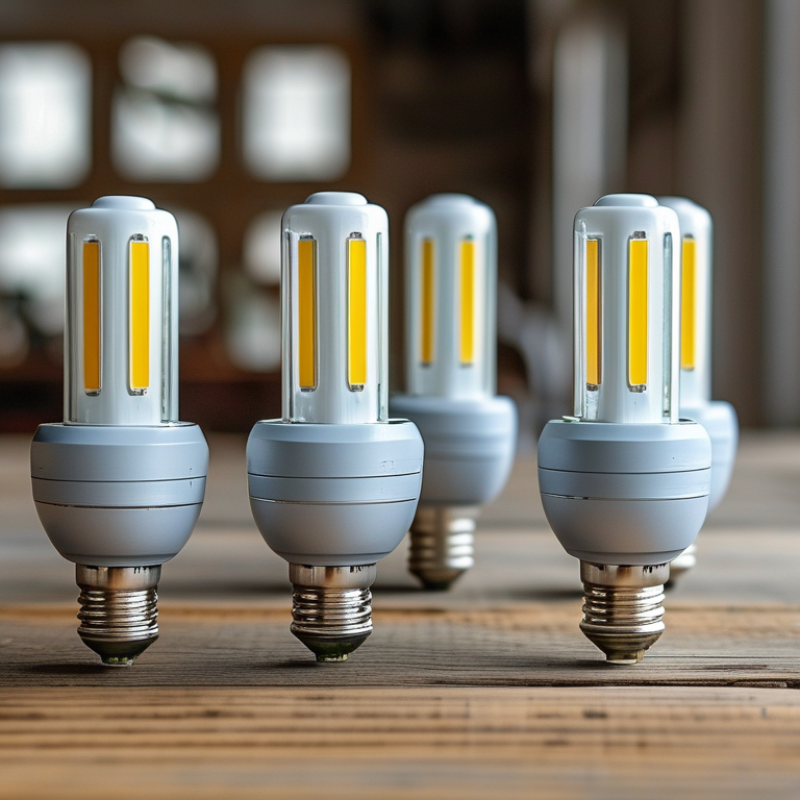
Understanding GU10 Halogen Bulbs and LED Modules
GU10 halogen bulbs are common in homes due to their bright light and appealing design. However, they consume more energy and have a shorter lifespan compared to modern LED modules. Understanding this difference can help homeowners make informed choices for energy efficiency and cost savings.
LED modules are designed to replace halogen bulbs seamlessly. They provide similar brightness but often last up to 25,000 hours. This means fewer replacements over time, translating to savings. Installing LED modules can lead to lower electricity bills.
Consider these tips when transitioning from halogen to LED. Check the wattage of your existing bulbs. Match the LED wattage to maintain brightness levels. Look for dimmable options if your fixtures require it. Ensure a good fit for your GU10 sockets. Sometimes, the shape may slightly differ.
Not all LEDs perform the same. Some may flicker or have color variations. Read reviews before making a purchase. Seek reputable sources that can guide you. Pay attention to the color temperature, as warmer lights may create a cozy atmosphere, while cooler lights appear more clinical.
How to Easily Replace GU10 Halogen Bulbs with LED Modules?
| Attribute | GU10 Halogen Bulb | GU10 LED Module |
|---|---|---|
| Lifespan | 2,000 hours | 15,000-25,000 hours |
| Energy Consumption | 50W | 7W-10W |
| Brightness | 800 lumens | 600-800 lumens |
| Heat Emission | High | Low |
| Environmental Impact | Contains Halogen | Eco-friendly |
| Cost | Low initial cost | Higher initial cost, lower long-term cost |
| Dimmability | Usually dimmable | Dimmable options available |
FAQS
: GU10 halogen bulbs are common in homes. They provide bright light and attractive designs.
LED modules consume less energy and last longer. They can last up to 25,000 hours, reducing replacements.
Switching to LED modules saves energy and money. They lower electricity bills and reduce environmental impact.
Check the wattage of existing bulbs. Match LED wattage to maintain brightness levels for your space.
Most GU10 sockets accommodate LEDs. However, check for shape differences. Some may require minor adjustments.
No, performance varies. Some LEDs may flicker or show color differences. Read reviews to avoid poor choices.
Halogen bulbs produce more heat, posing safety risks. LEDs emit less heat, making them safer for enclosed spaces.
LEDs come in various color temperatures. Warm lights create cozy atmospheres, while cool lights are more clinical.
Regularly check for flickering, as it indicates potential issues. Adjustments may enhance their performance over time.
Conclusion
The article "How to Easily Replace GU10 Halogen Bulbs with LED Modules?" provides a comprehensive overview of the process of switching from GU10 halogen bulbs to LED modules. It begins with an explanation of the characteristics and differences between GU10 halogen bulbs and LED modules, highlighting the advantages of making the switch, such as energy efficiency and longer lifespan. The guide outlines essential tools and materials required for the replacement, followed by a detailed step-by-step procedure that simplifies the replacement process.
Furthermore, the article emphasizes important safety precautions to take when working with light fixtures and bulbs, ensuring a safe and effective replacement experience. By following these guidelines, anyone can learn how to replace a GU10 halogen bulb with an LED module effortlessly, contributing to both a sustainable environment and reduced energy costs.
