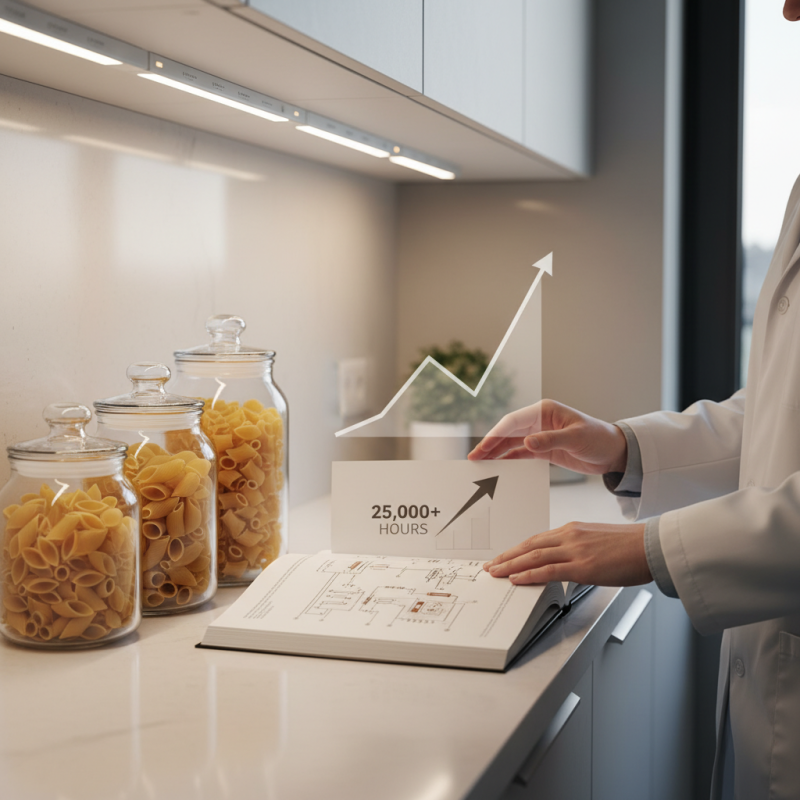
When considering LED cabinet lights, a common question arises: How long do LED cabinet lights actually last? John Smith, a renowned lighting expert with over 15 years of experience, states, “The lifespan of LED lights can exceed 25,000 hours if used properly.” This duration is appealing for many buyers, especially those looking to reduce maintenance.
LED cabinet lights are praised for their efficiency and longevity. However, various factors can impact their actual lifespan. The quality of the LED components, the environment, and usage patterns all play a role. For instance, lights frequently turned on and off might not last as long as those used continuously.
Understanding these nuances is vital for consumers. While the promise of long-lasting LEDs is enticing, real-world application can differ. Buyers should consider their specific needs and settings. There’s often a gap between theory and practice in LED longevity. Exploring this topic helps ensure informed choices.
Understanding LED Cabinet Lights: Lifespan Overview
LED cabinet lights have gained popularity for their energy efficiency and versatility. Understanding their lifespan is crucial for buyers. Most LED lights last between 15,000 to 50,000 hours. This longevity is generally due to their solid-state technology. Unlike traditional bulbs, they don’t burn out suddenly. Instead, they dim over time, which provides a reliable warning.
However, not all LED products are created equal. Factors like usage, environment, and heat exposure can affect lifespan. For instance, lights installed in enclosed spaces may face overheating issues. This can lead to premature failure, diminishing their expected lifespan. Additionally, poor-quality components can lead to inconsistent performance.
Choosing high-quality LED cabinet lights means looking beyond mere longevity. It's essential to consider dimming capabilities and color temperature. Buyers should also think about the installation process. In some cases, improper installation can lead to hazards or reduced lifespan. This complexity reflects the real experience of many users. Understanding these nuances helps buyers make informed decisions.
Factors Influencing the Longevity of LED Cabinet Lights
When considering LED cabinet lights, several factors influence their longevity. The quality of materials used in manufacturing plays a crucial role. Higher-quality components often lead to longer-lasting lights. Poor-quality parts can result in early failures. Additionally, the design of the light fixture impacts durability. A well-designed fixture protects the LED from heat and moisture, which can cause damage over time.
Heat management is another critical factor. LEDs generate heat during operation, which can shorten their lifespan if not properly managed. Fixtures that allow for better airflow tend to last longer. Furthermore, the environment where these lights are installed matters. Areas with high humidity or extreme temperatures can adversely affect performance. Inconsistent power supply also poses risks. Surges and fluctuations can lead to premature burnout, emphasizing the need for stable electrical conditions.
Regular maintenance can prolong the life of LED cabinet lights. Dust and dirt can accumulate, blocking light output and generating heat. Cleaning fixtures periodically is essential. While LED technology generally offers high efficiency, proper care is paramount. Users must also reflect on their specific lighting needs. Choosing the right product based on usage and environment can significantly impact longevity. However, not every situation is ideal, and staying informed is vital.
Comparing LED Cabinet Lights with Traditional Lighting Options
When comparing LED cabinet lights to traditional lighting options, the differences become striking. LED lights shine with an impressively long lifespan, often reaching 25,000 to 50,000 hours. In contrast, incandescent bulbs typically last only 1,000 hours. This longevity translates directly into savings, reducing replacement frequency and maintenance costs.
However, some consumers still question whether LEDs truly perform as advertised. A report by the Department of Energy confirms that while LEDs save energy, they can underperform in color rendering and brightness when not properly selected. Choosing the right LED bulb is crucial to achieving the desired ambiance in your cabinet.
**Tips:** Test different color temperatures. A warm light can create a cozy feel, while cool light is more energizing. Consider the bulb's lumens; higher lumens equal brighter light.
Though LED technology is advanced, some users might experience early failures if the fixtures overheat. Proper installation and cooling are essential. Not all LEDs emit the same light quality; the cheap options might not meet your expectations. Take time to research before making a decision.
How Long Can LED Cabinet Lights Really Last for Buyers? - Comparing LED Cabinet Lights with Traditional Lighting Options
| Lighting Type |
Average Lifespan (Hours) |
Energy Efficiency (Lumens/Watt) |
Heat Output (°C) |
Maintenance Frequency |
| LED Cabinet Lights |
25,000 - 50,000 |
80-100 |
Warm (25-35) |
Rarely (Every 5-10 years) |
| Incandescent Bulbs |
1,000 - 2,000 |
10-17 |
Hot (60-80) |
Often (Every 1-2 years) |
| CFL Bulbs |
7,000 - 15,000 |
40-70 |
Warm (40-60) |
Moderate (Every 3-7 years) |
| Halogen Bulbs |
2,000 - 4,000 |
16-25 |
Very Hot (80-100) |
Often (Every 1-3 years) |
Maintenance Tips to Extend the Life of LED Cabinet Lights
LED cabinet lights can have an impressive lifespan, often rated between 25,000 to 50,000 hours. However, that longevity depends heavily on proper maintenance. Regular cleaning is crucial. Dust and grime can decrease brightness and efficiency. A simple wipe with a soft cloth can do wonders.
Temperature control plays a vital role. Overheating can shorten the life of LED lights significantly. Installing lights in a well-ventilated area helps manage heat. Avoid using LED lights in enclosed spaces. This can lead to premature failure, sometimes within three years, well below their potential lifespan.
The quality of installation also matters. Poor wiring or improper fixtures can lead to flickering or burning out. Professionals suggest checking connections periodically. Many users neglect these aspects, affecting performance. Investing in quality installation pays off in the long run. The right approach can enhance the functionality of your LED cabinet lights, keeping them bright for years.
Signs That Indicate LED Cabinet Lights Need Replacement
When it comes to LED cabinet lights, knowing the signs that they need replacement is crucial for maintaining a well-lit space. One major indicator is flickering. This inconsistent lighting can signal underlying issues, like a failing fixture or a power problem. If the brightness fluctuates frequently, it’s a clear time for a check-up.
Dim light is another red flag. If your once-bright LEDs start appearing dull, they may have reached the end of their lifespan. This change can happen gradually or suddenly. Often, it indicates that the light source is struggling. Additionally, if you notice any discoloration in the light or the fixture itself, it points to degradation. Irregular colors can disrupt the aesthetic of your cabinets.
Lastly, a buzzing or humming noise is an unwelcome sign. Healthy LED lights operate silently. If strange sounds emerge, it might mean an electrical issue requires attention. Regular inspections can help catch these issues early. Keep an eye on your LED cabinet lights to ensure they continue to brighten your environment.
LED Cabinet Lights Lifespan Analysis
FAQS
: The quality of materials and design significantly impact their lifespan. Better materials lead to longer-lasting lights.
LEDs produce heat during operation. If heat is not managed well, it can shorten their lifespan dramatically.
High humidity and extreme temperatures can adversely impact LED lights. Installation location is important.
Cleaning dust and dirt from fixtures is essential. Accumulation can block light and generate extra heat.
LEDs last 25,000 to 50,000 hours, while traditional bulbs may last only 1,000 hours. This leads to significant savings.
Users should reflect on specific lighting needs and test different color temperatures for desired ambiance.
Yes. Poor installation can cause flickering or burnout. Proper connections are crucial for optimal performance.
Avoid using LEDs in enclosed spaces, as overheating can lead to failure within a few years.
Selecting the suitable bulb affects color rendering and brightness. Always research options before buying.
Overheating and poor-quality fixtures can lead to early failures. Proper installation and cooling are essential.
Conclusion
LED cabinet lights are a popular choice for modern lighting solutions due to their energy efficiency and long lifespan. How long do LED cabinet lights actually last? Typically, these lights can last anywhere from 15,000 to 50,000 hours, depending on various factors such as usage, quality, and environmental conditions. Factors influencing longevity include the heat produced during operation and the frequency of use.
When comparing LED cabinet lights to traditional lighting options, it’s clear that LEDs outlast incandescent and fluorescent bulbs significantly. Proper maintenance, such as ensuring clean fixtures and using compatible dimmers, can further extend their lifespan. It's essential to watch for signs that indicate the need for replacement, such as dimming brightness or flickering, to ensure continued optimal performance in your space.
 Ledic Lighting
