Why do LED lights stay dimly lit when turned off? This phenomenon often puzzles homeowners and DIY enthusiasts alike. The issue arises due to how LED technology interacts with electricity, even when switched off. Many assume that turning off a switch cuts all power. However, LEDs can still receive a small electrical current.
This current may come from various sources, including faulty wiring, improper switch types, or even the devices connected to the same circuit. In certain cases, this power leak causes LEDs to glow faintly. It's a frustrating occurrence, and it raises questions about the functioning of modern lighting systems.
Understanding why LED lights behave this way requires a blend of electrical knowledge and practical experience. It might seem trivial, yet it speaks volumes about how we interact with technology. Homeowners need to learn about solutions, from adjusting wiring to opting for better-quality switches. Addressing this issue not only enhances lighting performance but also contributes to energy efficiency.
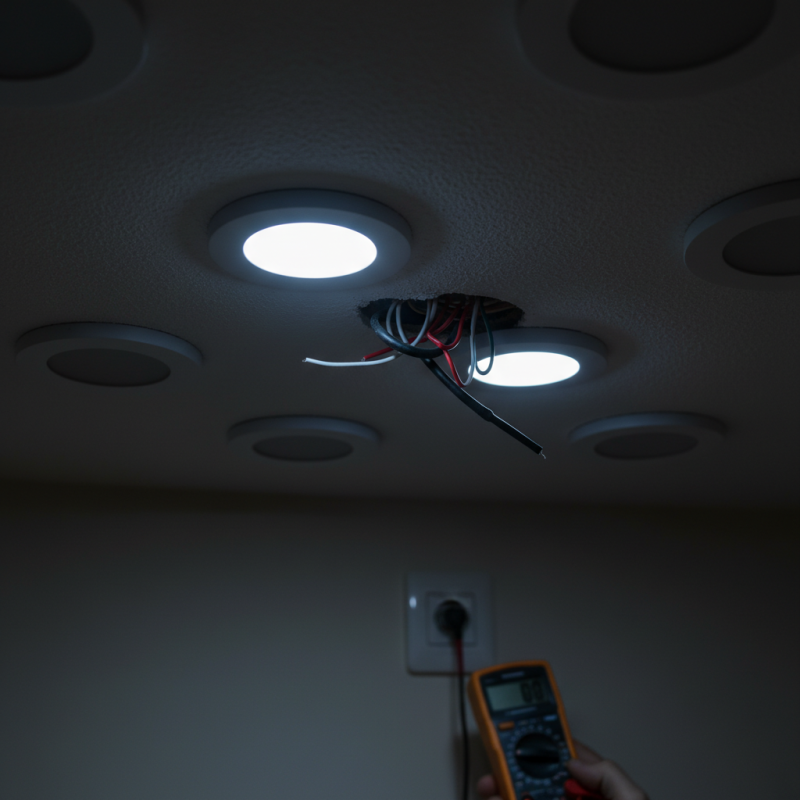
Understanding the Basics of LED Technology and Its Power Mechanics
LED lights are known for their energy efficiency and longevity. However, it's common to notice that they can remain dimly lit after being turned off. This phenomenon is rooted in how LED technology operates. Unlike traditional incandescent bulbs, LEDs use semiconductors to produce light. Even when switched off, some small amount of current can still flow due to residual voltage or capacitance in the circuit.
Power mechanics play a crucial role in understanding why this happens. For example, many light switches are not completely isolating. They may allow a trickle of electricity through. This leakage can energize the LED even if you think it’s off. Sometimes, fixtures incorporate built-in capacitors to smooth out the power supply. This is beneficial for energy efficiency but can retain power and keep the LED dimly lit.
While this behavior can be annoying, it can also lead to a reflection on energy use. Homeowners might question the true off state of their lights. It's essential to understand how wiring and fixtures interact with LED technology. Not every installation is the same. Rural areas or older homes may face more severe issues. Awareness of this can help you make informed decisions about lighting solutions and energy consumption.
Causes of Dimly Lit LED Lights When Turned Off: A Scientific Perspective
LED lights can appear dimly lit even when turned off, causing confusion for many users. This phenomenon is often due to residual current flowing through the light fixture. Even a small amount of power can make LEDs glow faintly. This is particularly common in homes with dimmer switches. The dimmers often allow a trickle of current, keeping LEDs slightly illuminated.
In some cases, the residual charge may stem from poorly designed circuits. Old wiring can contribute to this issue as well. If your home contains multiple appliances sharing the same circuit, they might affect the LED’s performance. It’s important to understand the electrical setup in your space to effectively address this issue.
Tips: Consider using a different type of switch, like a mechanical one, to avoid this problem. You might also explore LED lights known for minimal ghosting. Regularly check your home’s wiring and connections. If the issue persists, consulting with a qualified electrician could provide clarity. Always prioritize safety and knowledge when dealing with electrical systems. Understanding these factors helps create a better lighting experience.
The Role of Residual Voltage in LED Light Behavior
When LED lights are turned off, they may still glow faintly. This phenomenon is largely due to residual voltage. Unlike traditional incandescent bulbs, LEDs require very little voltage to emit light. Even a small amount of lingering electrical charge can keep them dimly lit. This is especially true in circuits that include dimmer switches or long wire runs.
Residual voltage can be a product of various factors. For example, electrical induction from nearby wires may contribute. Additionally, poorly designed circuits may fail to fully discharge the voltage. Understanding these factors enables us to mitigate the glow phenomenon effectively.
Tips for reducing LED glow: First, try using a bypass capacitor or resistor in the circuit. These components can absorb excess voltage. Another solution involves replacing dimmer switches with compatible models designed for LED lighting. These help eliminate undesirable glow and improve performance. Always consult a professional if unsure about electrical modifications.
Residual Voltage in LED Lights
This chart displays the relationship between residual voltage levels and the dim brightness observed in LED lights when they are turned off. Each bar represents the voltage level that may cause the LED to remain dimly lit due to residual current.
Effect of Capacitive Coupling in Electrical Circuits on LED Dimming
When LED lights are turned off, they sometimes emit a faint glow. This phenomenon can be attributed to capacitive coupling within electrical circuits. Capacitive coupling occurs when AC voltage from nearby wires induces a voltage across a non-connected circuit, causing LEDs to light dimly.
According to a study by the Institute of Electrical and Electronics Engineers (IEEE), about 30% of households experience this dimming effect with LED bulbs. This issue is more prevalent in circuits with low wattage, which cannot draw enough current to fully extinguish the LED. It raises questions about circuit design and energy efficiency. The study suggests that improper wiring or overly long circuits can exacerbate this problem, allowing stray voltage to influence LED performance.
Moreover, the issue highlights a broader challenge in electrical engineering. While LEDs are energy-efficient, they can exhibit unintended behavior in specific setups. Specialized circuitry can reduce this effect. Miniature capacitors, when used appropriately, may help mitigate unwanted coupling. However, not all solutions are foolproof. Relying solely on a few components may lead to inconsistencies across different installations. This complexity in rectifying the problem invites further investigation and reflection in the industry.
Why Do LED Lights Stay Dimly Lit When Turned Off? - Effect of Capacitive Coupling in Electrical Circuits on LED Dimming
| Cause |
Description |
Impact on LED |
Solutions |
| Capacitive Coupling |
Voltage from nearby live wires can induce a small amount of current in the circuit. |
Results in LEDs being dimly lit. |
Use a proper switch or consider a bypass resistor. |
| Poor Wiring |
Faulty or low-quality wiring can contribute to leakage currents. |
May keep LEDs in a low-power state and cause flickering. |
Check and replace poor quality wiring. |
| LED Driver Design |
Some LED drivers are sensitive to small voltage levels, leading to dim lighting. |
Can result in unwanted glowing of LEDs when powered off. |
Consider replacing the driver with a more efficient model. |
| Shared Neutral Wires |
LEDs can receive power from shared neutral pathways. |
May lead to LED lights glowing faintly when off. |
Separate neutrals for high-current devices. |
Practical Solutions to Prevent LED Lights from Glowing When Off
LED lights can sometimes remain dimly lit even when switched off. This intriguing phenomenon often occurs due to residual current. This current does not completely stop, allowing a small amount of voltage to reach the LED. Factors such as wiring errors or the presence of dimmer switches contribute to this issue. According to a report by the National Electrical Manufacturers Association, around 15% of households experience this problem.
To prevent LEDs from glowing when off, consider using a different type of switch. An appropriate switch can help minimize residual current. Another solution is to install a load resistor, which absorbs excess voltage and stops the glow. Some industry experts recommend these methods, highlighting their efficiency. However, not all solutions work universally. It’s essential to test different options based on your specific setup.
Tips: Ensure that your dimmer is compatible with LED bulbs. Double-check your wiring, especially in older homes. These steps might seem simple, but they can prevent glowing issues. Remember, not every solution will work for everyone. Understand your system and be ready to experiment for the best outcome.
Conclusion
The article titled "Why Do LED Lights Stay Dimly Lit When Turned Off?" explores the intriguing behavior of LEDs that remain faintly illuminated even when switched off. Initially, it delves into the fundamental principles of LED technology and its electrical mechanics, highlighting how these lights work. It then discusses various scientific reasons behind the phenomenon, particularly focusing on the effects of residual voltage, which can cause LEDs to glow dimly.
Another significant factor examined is capacitive coupling in electrical circuits. This can inadvertently allow a small amount of stray voltage to reach the LED, leading to its dim glow. To address this issue, the article offers practical solutions, such as rewiring, using proper switches, or adding specific components to mitigate residual voltage and prevent LED lights from glowing when they should be off. Overall, it provides valuable insights into both the science and practical implications of LED lighting technology.
 Ledic Lighting
