LED panel lights are popular for their energy efficiency and sleek design. However, they can sometimes fail, leaving you in the dark. Many people wonder how to fix a dead LED panel light without replacing it. Fortunately, with some basic tools and knowledge, it’s possible to troubleshoot and repair these lights at home.
Understanding the common issues that lead to LED panel failure is the first step. It often involves checking the power supply, wiring, or LED drivers. Experience plays a crucial role in identifying these problems. With patience, you can save money and reduce waste. This approach also gives you insight into the complexities of LED technology. It fosters a more sustainable lifestyle.
While repairing may seem daunting, it can also be rewarding. Mistakes may happen along the way, but they provide valuable learning experiences. Tinkering with electronics allows you to strengthen your repair skills. Embracing these challenges can lead to greater confidence in managing home repairs. Ultimately, knowing how to fix a dead LED panel light without replacing it can transform a frustrating situation into an opportunity for growth.
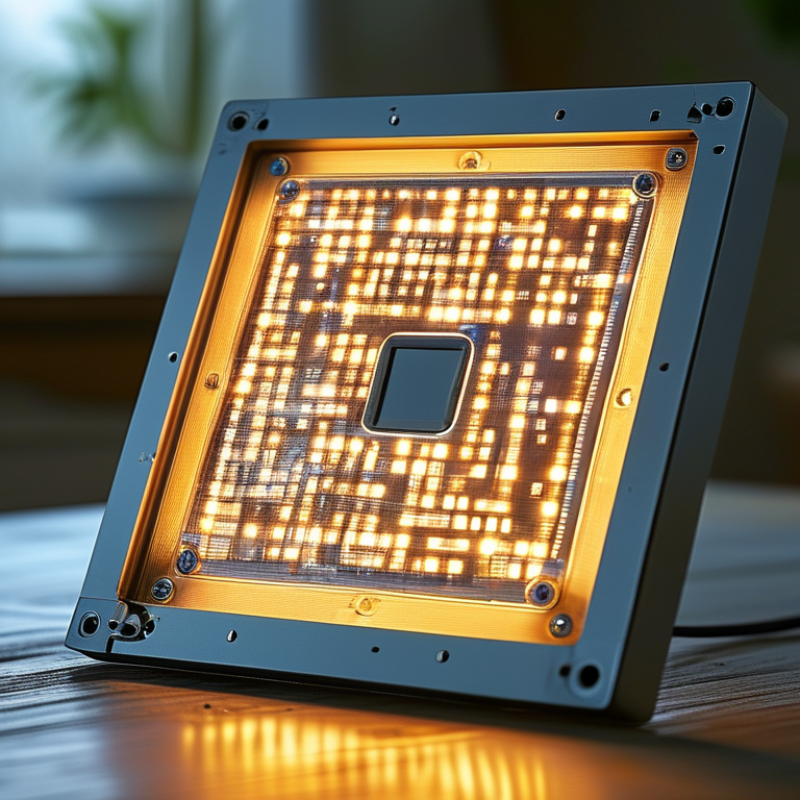
LED panel lights are popular for their energy efficiency. However, they can fail for several reasons. Understanding these common causes helps in diagnosing the issue effectively.
One common reason is a faulty power supply. If the light flickers or doesn’t turn on, the driver might be the culprit. Sometimes, overheating can also damage the components. Check for dust accumulation or poor ventilation.
Tips: Ensure your LED panel has proper airflow. Regularly clean it to prevent dust buildup. Another reason for failure is loose connections. Inspect the wiring carefully. A simple reconnection may solve the problem.
Furthermore, components may wear out over time. Capacitors tend to fail, leading to flickering or complete blackouts. Sometimes, people overlook these details during troubleshooting. Reflect on the signs before jumping into repairs. A little observation can save you from unnecessary frustration.
When repairing a dead LED panel light, having the right tools and materials is crucial. Essential tools include a multimeter, screwdrivers, and wire strippers. A multimeter helps test voltage, while screwdrivers assist in disassembling the fixture. Wire strippers are necessary for cleaning and preparing wire connections.
In terms of materials, you may need replacement components like LED driver modules and soldering supplies. According to industry reports, approximately 20% of LED failures stem from faulty drivers. Having replacement parts available can save time and money.
Tips: Always ensure that the power is off before starting any repairs. This step is critical for your safety. Additionally, take photos during disassembly. This practice aids reassembly and prevents mistakes. Keep in mind that even small details can have significant impacts on functionality. Remember, not all repairs are successful—it’s okay to seek help if needed.
Disassembling an LED panel light can seem daunting. However, with the right approach, it becomes manageable. Start by ensuring all power sources are disconnected. About 70% of LED panel failures are related to power supply issues, so this step is crucial. Prepare a clean workspace and gather tools like a screwdriver, multimeter, and replacements for potential faulty components.
Begin by carefully prying off the panel's edges. This often requires a gentle touch; being overly aggressive can crack the panel. According to industry reports, LED panels are often sealed tightly, making disassembly tricky. Use a thin plastic tool to avoid damaging the frame. Once opened, inspect for burnt-out diodes or broken connections. A 2022 survey indicated that nearly 40% of all reported LED failures are linked to failed solder joints. Take your time to identify these weak points.
While reassembling, be mindful of components meant to enhance durability. Some manufacturers deploy better insulation materials that are more resistant to heat. Learning from past attempts is key, as improper sealing during reassembly can lead to moisture ingress, affecting functionality. Take care to ensure all connections are secure and clean. This meticulous approach will help restore the LED panel light effectively and safely.
| Step | Description | Tools Required | Estimated Time |
|---|---|---|---|
| 1 | Turn off the power supply to the LED panel light. | None | 5 minutes |
| 2 | Remove the LED panel from its mounting. | Screwdriver | 10 minutes |
| 3 | Disassemble the light cover carefully. | Plastic Pry Tool | 10 minutes |
| 4 | Inspect the LED board for any visible damage. | Multimeter | 15 minutes |
| 5 | Replace any faulty components (LEDs or drivers). | Soldering Iron, Replacement Parts | 30 minutes |
| 6 | Reassemble the LED panel light. | Screwdriver | 10 minutes |
| 7 | Mount the LED panel back to its position and restore power supply. | None | 5 minutes |
Identifying problems in a dead LED panel light is crucial for successful repairs. Start by checking the power supply. A faulty transformer or driver often causes the panel to fail. Use a multimeter to test the output voltage. If it’s not within the required range, replacement is necessary. This step requires careful handling, as live circuits can pose hazards.
Next, examine the LED array for any burn marks. A single burnt LED can cause the entire panel to malfunction. Inspect each LED visually and use a multimeter to check for continuity. If any component is burnt out, replacing it is essential. Pay attention to the soldering joints as well; reflowing or replacing solder can sometimes revive the panel without needing to replace whole LEDs.
Consider the light diffusion panel and housing too. Scratches or cracks can affect performance. While repairing, ensure that all components fit properly. Mistakes in reassembly can lead to future issues. Remember, patience is key. Each step requires attention and precision. Learning from errors in repairs can greatly improve skills for future projects.
Reassembling and testing a repaired LED panel light can be a meticulous process. Begin by carefully inspecting all connections. Ensure that the solder joints are solid and that there are no exposed wires. According to a report by the U.S. Department of Energy, improper connections can account for 30% of LED lighting failures. Thus, reliability in these steps is crucial.
After reassembling the panel, it is important to conduct a thorough functionality test. Plug the panel into a power source. Observe for flickering or inconsistent brightness. These issues can indicate incomplete repairs. The International Energy Agency states that LED panel lights can consume up to 75% less energy than conventional lighting. However, performance must be ensured to uphold energy efficiency.
If the panel lights up without issue, check the heat dissipation. Excess heat can shorten the lifespan of LED lights significantly. Ensure that airflow is unobstructed around the panel. A study by the Lighting Research Center identifies that maintaining proper heat management is essential for the longevity of LED technology. Engaging in these practices will help you achieve reliable results from your repaired LED panel light.
: Common causes include faulty power supplies, overheating, and loose connections. Dust accumulation can also contribute.
Ensure proper airflow and regularly clean the panel to prevent dust buildup. This reduces failure risks.
If the light flickers or doesn’t turn on, check the power supply. A multimeter can help test voltage output.
Inspect wiring for loose connections. Sometimes, a simple reconnection might solve the issue without further repairs.
Yes, capacitors can wear out and cause flickering. Regularly checking LED components is important during troubleshooting.
Gather a screwdriver, multimeter, and replacement parts. A clean workspace helps ensure a smooth disassembly process.
Ensure all components fit securely and all connections are clean. Improper sealing can lead to moisture issues later.
Check for burn marks and continuity using a multimeter. A burnt LED can disrupt the entire panel’s function.
Learn from past errors. Patience and attention to detail during repairs will boost your troubleshooting abilities over time.
Very important. Poor ventilation can lead to overheating and component failure, affecting the overall functionality.
In the article "How to Repair a Dead LED Panel Light at Home?", readers are guided through the process of troubleshooting and fixing an inoperative LED panel light without resorting to replacement. The article starts by highlighting common causes for LED panel failure, such as power issues and component malfunctions. Essential tools and materials needed for the repair are also listed.
The step-by-step guide moves on to detail how to disassemble the LED panel carefully, allowing for thorough inspection of its internal components. Once the faulty parts are identified, the article provides instructions for replacing them effectively. Finally, readers learn how to reassemble the panel and test its functionality, ensuring that they now know how to fix a dead LED panel light without replacing it.

Ledic Lighting