Replacing a GU10 halogen bulb with an LED module can seem daunting. However, it’s a straightforward process that anyone can tackle. Many homeowners face challenges when switching from traditional lighting to energy-efficient options. This guide will clarify how to replace a GU10 halogen bulb with an LED module.
To start, it’s essential to understand the benefits of making this change. LED modules consume less power and have a longer lifespan. Initially, you may hesitate, fearful of making a mistake. But with patience and the right tools, you can complete this task successfully.
In this guide, we’ll explore practical tips and step-by-step instructions. We aim to enhance your confidence in executing this home upgrade. With clear guidance, your transition to LED lighting will be smooth and rewarding.
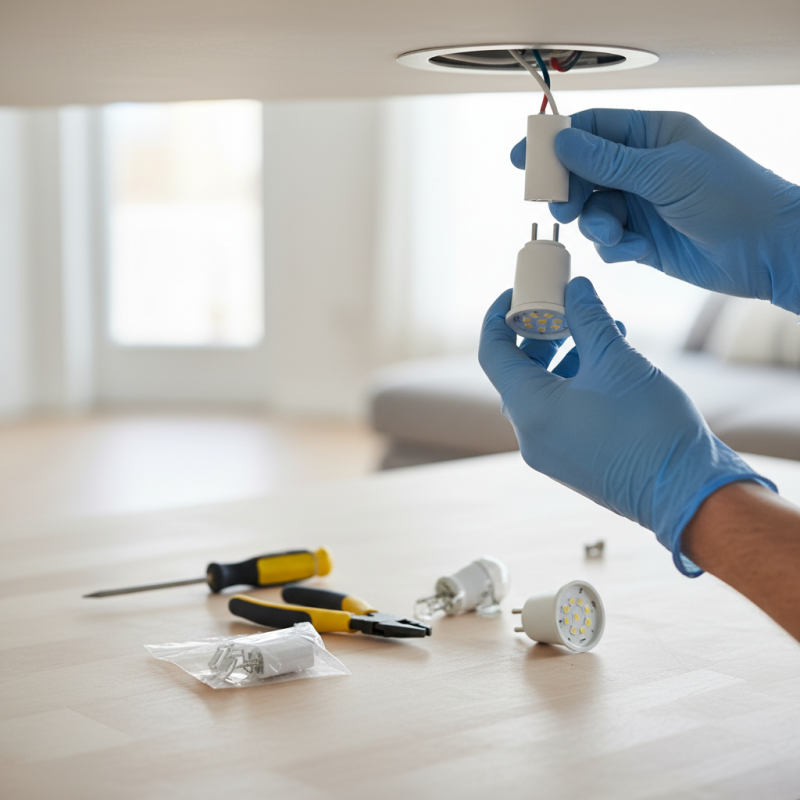
GU10 halogen bulbs have been popular for their bright, warm light. They are often used in homes and businesses for accent lighting. However, these bulbs come with several limitations. One significant drawback is their energy consumption. Halogen bulbs consume more electricity compared to LED alternatives. This can lead to higher utility bills over time.
Another limitation is their lifespan. GU10 halogen bulbs typically last around 2,000 hours. In contrast, LED modules can last up to 25,000 hours. This means frequent replacements for halogen bulbs, adding to maintenance costs. Moreover, halogen bulbs generate a lot of heat. This can be a safety concern, especially in enclosed fixtures. The heat affects the bulb's efficiency and can even increase the risk of fire.
Transitioning to LED offers numerous benefits. LED lights provide similar brightness while using less power. They are cooler, making them safer. Despite these advantages, some users hesitate to switch. They may feel unsure about installation or compatibility with existing fixtures. It's essential to consider these factors. Making the transition can lead to significant savings in energy and maintenance. Understanding these limitations helps users make informed choices.
When choosing the right LED module for your GU10 fixture, consider the wattage. Most GU10 halogen bulbs are around 50 watts. In contrast, an LED module typically uses only 5 to 10 watts. This change significantly reduces energy consumption.
Another important factor is the color temperature. GU10 halogen bulbs often emit a warm white light (around 2700K). Look for LED options with similar warmth to retain the original ambiance. You may want to test different colors. Sometimes, the light can appear too cool or too warm.
Tips: Check the compatibility of the LED module with your fixture. Not all GU10 sockets are created equal. Some LED modules might not fit well. Furthermore, consider the beam angle. A narrow beam creates focused light. A wider beam offers more ambient light. This can drastically change the look of your space. When unsure, trying a few options is beneficial. Take your time. Sometimes, finding the perfect fit takes effort.
Replacing GU10 halogen bulbs with LED modules is a simple and rewarding task. However, having the right tools makes all the difference. Start with a sturdy ladder. It helps you reach those high fixtures safely. A flathead screwdriver is essential. It can assist in prying off the old bulb if it's stuck.
Additionally, a pair of work gloves is important. They protect your hands from sharp edges and heat. A soft cloth helps clean the fixture during replacement. You may need a voltage tester, too. This tool ensures the power is off before you start working. Remember to double-check your connections and fitments.
While this process is straightforward, mistakes can happen. If a bulb doesn’t fit, don’t force it. Improper installation can damage the LED module. Take your time and reflect if the new bulbs are sans power. This can save you from frustration. Overall, with the right tools, the transition is not only easier but much safer.
This chart compares the power consumption of a typical GU10 halogen bulb (50W) with a GU10 LED module (7W). As seen, switching to an LED module can significantly reduce energy consumption.
If you are looking to remove a GU10 halogen bulb safely, follow these steps. Start by turning off the power at the circuit breaker. This ensures that you avoid any accidental electrical mishaps. According to a report by the U.S. Department of Energy, halogen bulbs waste about 80% of their energy as heat. This is a key reason for replacing them with energy-efficient LEDs.
Next, allow the bulb to cool down completely. Halogen bulbs can become extremely hot during use. Use LED-friendly grips or cloth to carefully twist and pull down the bulb from its socket. Timely removal is crucial. Many users struggle with getting a solid grip. It's not uncommon for fingers to slip, risking breakage.
Consider the size of your new LED module. Some LED designs may not fit well in older GU10 sockets. Compatibility issues can lead to frustrating installations. Up to 30% of LED consumers report problems with bulb misfit. Make sure you confirm that the replacement module matches your socket specifications.
When installing a new LED module, preparation is key. Start by turning off the power at the circuit breaker. This step ensures safety as you work with the fixtures. Next, gather your tools, including a screwdriver and a small ladder. These tools make the job easier and more efficient.
Carefully remove the old GU10 halogen bulb. This can sometimes be tricky. If the bulb is stuck, try gently wiggling it while twisting. Remember, don’t force it. Once removed, inspect the fixture for debris or damage. Any imperfections here could affect the new module’s performance.
Now, it’s time to insert the LED module. Align it with the socket and gently push it in until it clicks. This step requires patience. If it doesn't fit, double-check the alignment. Once installed, turn the power back on. Test the light to ensure it works properly. If it flickers or fails to turn on, revisit your connections. This process may seem straightforward, but attention to detail is vital for a smooth transition.
| Step | Description | Tools Needed | Tips |
|---|---|---|---|
| 1 | Turn off the power supply to the fixture. | None | Always ensure safety by turning off the breaker. |
| 2 | Remove the old GU10 halogen bulb. | Gloves | Use gloves to avoid getting oils on the new bulb. |
| 3 | Insert the new LED module into the socket. | None | Align properly to avoid damage. |
| 4 | Restore the power supply. | None | Check for flickering; if it occurs, double-check connections. |
| 5 | Dispose of the old bulb properly. | None | Follow local regulations for disposal. |
: GU10 halogen bulbs are known for their bright, warm light often used in homes.
One significant drawback is their high energy consumption compared to LEDs.
They typically last around 2,000 hours, requiring frequent replacements.
Halogen bulbs generate a lot of heat, increasing fire risks in enclosed spaces.
LED lights use less power and generate less heat, making them safer.
Users may hesitate due to uncertainty about installation or fixture compatibility.
Look for LED modules that use only 5 to 10 watts for efficiency.
It is important to find LED options with warmth similar to halogen bulbs for ambiance.
A narrow beam provides focused light while a wider beam gives ambient light.
Trying different LED options can help find the perfect fit for your space.
This article provides a comprehensive guide on **how to replace a GU10 halogen bulb with an LED module** efficiently. It begins by explaining the characteristics of GU10 halogen bulbs, addressing their limitations in terms of energy consumption and heat production. Readers will then learn how to choose the appropriate LED module to fit their GU10 fixtures, ensuring better energy efficiency and longevity.
The article outlines the essential tools needed for the replacement process, followed by a step-by-step guide that details the safe removal of the halogen bulb. Finally, it offers helpful tips for installing the new LED module, aiming for a smooth transition and optimal performance. By following these instructions, homeowners can enhance their lighting systems and reduce energy costs effectively.

Ledic Lighting