Choosing the right dimmer for LED modules can be challenging. "How to choose a compatible dimmer for LED modules?" is a question many face. Industry expert John Smith, a leading lighting engineer, emphasizes, "Compatibility between dimmers and LED modules is crucial for optimal performance."
Many assume any dimmer will work with their LED lighting. Unfortunately, this is often not the case. Incompatible dimmers can lead to flickering or even reduced lifespan of the LED modules. Understanding the specific requirements of your LED setup is essential. Details like wattage, voltage, and dimming method matter significantly.
Reflecting on personal experiences, even seasoned professionals occasionally overlook dimmer compatibility. It’s important to take the time to analyze the options available. A little research can make a significant difference in achieving the desired lighting effect. Remember, investing effort in understanding how to choose a compatible dimmer for LED modules leads to better lighting solutions. Don’t rush; take the necessary steps for successful dimming.
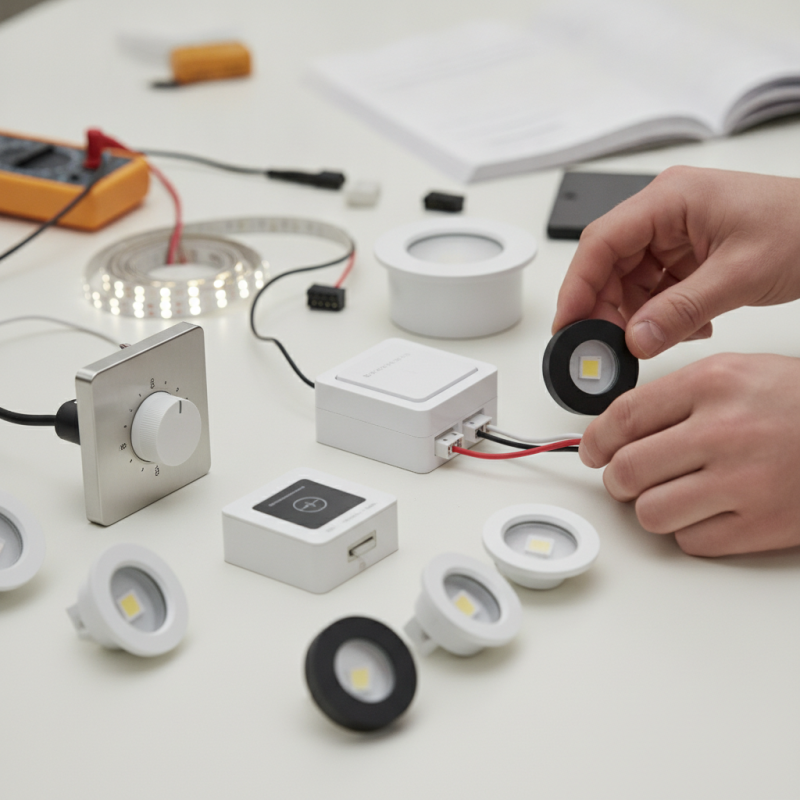
When it comes to LED modules and dimmers, understanding the relationship between them is crucial. LED modules require specific dimming options to function efficiently. They are not all compatible with traditional dimmers. LEDs often flicker or buzz when paired with the wrong dimmer. This mismatch can lead to frustration and wasted energy.
It's essential to grasp the basic principles behind LED technology. LEDs operate differently than incandescent bulbs. They utilize electronic circuits to regulate light output. A dimmer designed for incandescent lighting may not support the unique requirements of LED modules. Selecting the correct dimmer involves checking voltage and load compatibility.
In recent years, the market has become flooded with choices. Many dimmers may look similar but function differently. Consumers must do their research before making a purchase. They should consider load types and the dimming range offered. Finding a dimmer that complements the LED module achieves optimal performance. The right match enhances brightness and energy efficiency, while the wrong one complicates matters. Always look for reliable sources of information before proceeding.
When selecting a dimmer for LED modules, certain features stand out as essential. Look for compatibility with LED technology. Not all dimmers work well with LED lights. Using a non-LED dimmer can lead to flickering or buzzing. This could be frustrating during quiet moments. It's important to choose a dimmer specifically designed for LED, ensuring smoother performance.
Another key feature is the capacity. Ensure the dimmer can handle the total wattage of your LED fixtures. This can prevent overheating and extend the life of both the dimmer and the bulbs. Pay attention to the minimum load requirement as well. Some dimmers need a certain wattage to function properly, which can be an issue with low-wattage LEDs.
Adjustability is also crucial. Look for dimmers that allow a wide range of brightness levels. This flexibility can create the perfect ambiance for any room. Additionally, consider the ease of installation. Complicated dimmers might deter users from using them effectively. Simple, user-friendly designs often yield the best long-term results.
| Tip | Key Feature | Description |
|---|---|---|
| 1. Check Compatibility | LED Compatibility | Ensure the dimmer is designed for use with LED modules to prevent flickering. |
| 2. Consider Load Rating | Wattage Capacity | Select a dimmer that matches or exceeds the total wattage of your LED lights. |
| 3. Look for Dimming Range | Dimming Range | Choose a dimmer that allows for a wide range of brightness settings for flexibility. |
| 4. Ease of Installation | Installation Type | Opt for a user-friendly dimmer that can be easily installed without professional help. |
| 5. Check for Extra Features | Smart Features | Consider dimmers with smart technology for added convenience and control options. |
When selecting a dimmer for LED modules, compatibility is crucial. The dimming range should match the LED's specifications. Not all dimmers work well with LED lighting. A mismatch can lead to flickering or reduced lifespan. Many users report frustration when they overlook this factor.
Understanding dimming features is essential. Some dimmers have a narrow range, limiting flexibility. This may not be suitable for various lighting moods. It’s vital to check the dimmer’s compatibility with different LED brands. Take the time to investigate the specifications. Compatibility ensures smoother transitions between brightness levels.
A poorly chosen dimmer can cause unexpected issues. It's not just about the initial cost. Ongoing energy efficiency impacts long-term savings. An ideal dimmer harmonizes with your LED, promoting optimal performance. Avoid rushing the selection process. Reflecting on these aspects can save frustration later.
Understanding the importance of dimming range and compatibility is crucial for selecting the right dimmer for LED modules. The following chart represents the comparison of dimming range across different types of dimmers suitable for LED lighting.
When testing dimmers for LED modules, proper assessment is crucial. Different dimming technologies can affect performance significantly. According to a report from the Department of Energy, incompatible dimmers can lead to flickering, buzzing, and reduced lifespan of LED lights. A dimmer that works well with incandescent bulbs may not provide the same results for LEDs.
Understanding the dimmer's compatibility specifications is vital. Many manufacturers indicate which dimmers work best for specific LED modules. An article by the Lighting Research Center suggests that using a recommended dimmer can enhance system performance by up to 30%. However, often these recommendations are overlooked, leading to buyer's remorse and costly mistakes.
Field tests reveal a staggering 20% of consumers face issues due to choosing the wrong dimmer. It's essential to check user reviews and industry reports to gauge real-world experiences. Ensuring your dimmer is designed for LED lighting can mitigate problems.
However, even with the right choice, wiring and installation errors can occur, prompting the need for regular testing and re-evaluation of dimmer performance in your lighting setup.
When using LED dimmers, compatibility issues often arise. These problems can manifest as flickering lights, buzzing sounds, or inadequate dimming range. Understanding these issues is crucial for a smooth experience. For example, flickering may occur when the dimmer is not designed for LED bulbs. This incompatibility can frustrate users who expect stable lighting.
To avoid these pitfalls, it's essential to choose the right dimmer for your LED modules. Look for models specifically labeled for LED compatibility. Ensure the wattage rating matches your total LED load. This prevents overloading the dimmer, which can lead to burnout. Test your setup with various dimming levels to see if any unwanted effects arise.
Another tip is to consider the dimming technology used. Some dimmers employ trailing-edge technology, which works well with most LED lights and minimizes flicker. If buzzing is an issue, it may help to use a higher-quality dimmer that offers a smooth transition. Sometimes, even the wiring can influence the performance of your dimmer. Keep an eye on these connections to help avoid future lighting frustrations.
: Look for LED compatibility. Not all dimmers work with LEDs. Proper selection ensures smoother performance.
The dimmer must handle your LED fixtures' total wattage. This prevents overheating and extends lifespan.
Some dimmers require a specific wattage to function. This can be an issue with low-wattage LEDs.
Yes, a narrow dimming range limits flexibility. A compatible dimmer supports various lighting moods effectively.
Choose a dimmer specifically designed for LEDs. Test different dimming levels for stability.
Users may face flickering, buzzing, or limited dimming range. Understanding these helps ensure a smooth experience.
Yes, wiring quality can impact dimmer functionality. Ensure connections are secure to avoid future issues.
Look for models labeled for LED compatibility. Check wattage ratings closely to match your LED load.
Complicated dimmers may frustrate users. Simple designs often lead to better long-term results and ease of use.
Avoid rushing. A thoughtful selection can prevent future frustrations and promote optimal dimming performance.
When considering how to choose a compatible dimmer for LED modules, it's crucial to understand the basics of both LED modules and dimmers. The key features to look for in LED-compatible dimmers include a broad dimming range and the ability to work with various LED types. Compatibility is especially important, as not all dimmers will function well with LED technology, which can lead to flickering or poor performance.
Testing your dimmer is essential to ensure smooth performance with LED modules. Common issues such as unexpected flickering or buzzing can often be resolved through careful selection and adjustment of dimmers. By following these guidelines, you can enhance your lighting experience while effectively utilizing LED technology in your space.

Ledic Lighting