When designing a functional kitchen, task lighting plays a crucial role. It ensures that every culinary task is completed safely and efficiently. However, many people wonder, "How many lumens do I need for kitchen task lighting?" This question is essential for creating an effective lighting plan.
The answer lies in understanding your kitchen's layout and the specific activities performed in different areas. For example, chopping vegetables requires more light than simply stirring a pot. Proper illumination not only enhances visibility but also reduces strain on your eyes. Choosing the right lumens can transform your kitchen experience.
Often, light fixtures are overlooked until issues arise. Insufficient lighting can lead to accidents and frustration. Therefore, knowing your lumen needs upfront is vital for both safety and comfort. This guide will help you determine the optimal lumens for your kitchen task lighting.
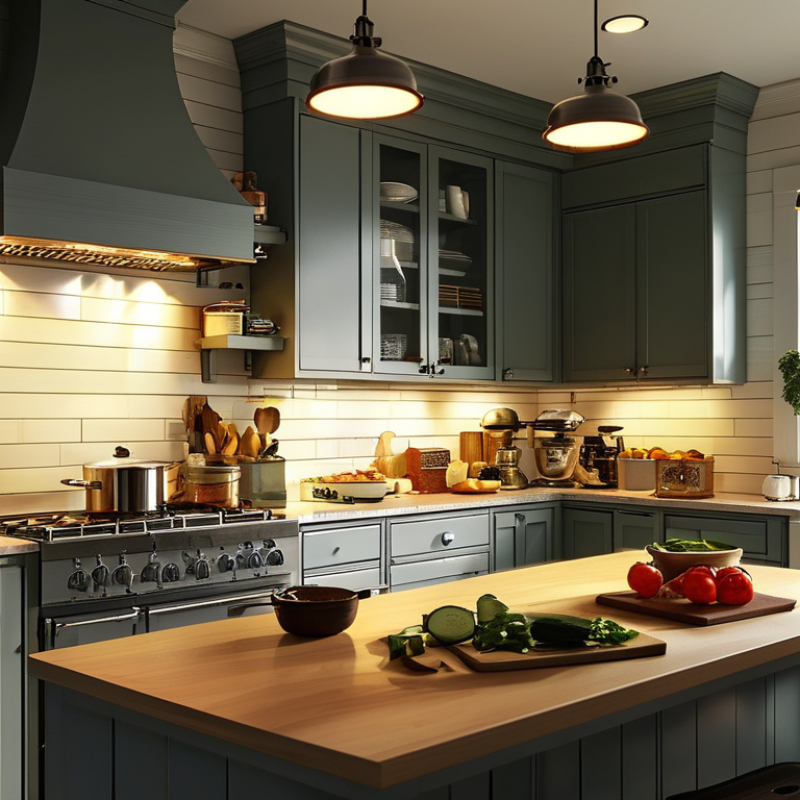
Understanding kitchen task lighting is essential for any home cook. It enhances visibility, making food preparation safer and more efficient.
Good task lighting prevents accidents, such as cutting yourself while chopping vegetables. Proper illumination can transform your cooking experience.
In the kitchen, certain areas demand more light. Countertops, stovetops, and sinks require focused lighting to ensure accuracy and safety. Layering your lights can help.
Consider using brighter fixtures above your workspaces. Natural light is beneficial too, so utilize windows where possible. However, during the evening, reliance on artificial lighting becomes vital.
Understanding lumens, the unit of measurement for light output, is crucial. You may need around 300 to 700 lumens for effective task lighting. This can feel overwhelming.
Many homeowners underestimate the importance of proper lighting. Relying solely on overhead lights often leads to shadows and glare. Reflect on your kitchen layout and adjust as needed.
It’s about finding the sweet spot that fits your cooking habits.
Lumens measure light output. They are crucial for task lighting in the kitchen. Understanding lumens helps ensure you have enough light for cooking and food preparation. Kitchens require focused light to reduce accidents. A brightly lit area allows for precise cutting and mixing.
The ideal lumens for kitchen task lighting vary. Areas like countertops may need 300 to 750 lumens. Walls should be softer, around 100 to 200 lumens. Install fixtures that distribute light evenly to avoid shadows. Shadows can lead to mistakes, especially while chopping ingredients.
Pay attention to the placement of lights, too. Overhead lighting isn’t always sufficient. Consider under-cabinet lights for better visibility. Remember, it’s essential to select appropriate brightness levels for your specific tasks. Experiment with different options to see what works best. There’s always room for improvement in kitchen lighting design.
When designing kitchen task lighting, understanding lumen output is crucial. Different tasks require varying brightness levels. According to the Illuminating Engineering Society (IES), general ambient light levels in kitchens should range from 100 to 200 lumens per square foot. For specific tasks, however, you may need more focused light. Cutting and preparing food often require around 300-500 lumens.
In the baking area, bright light can make a significant difference. You need around 500-800 lumens to ensure accuracy while measuring ingredients. Similarly, for reading recipes or checking temperatures, 300-500 lumens are recommended. Having multiple lighting sources, including under-cabinet lights and pendant fixtures, helps achieve the ideal lumen levels.
Tips for achieving optimal lighting include layering light sources to eliminate shadows. Use dimmers to adjust brightness based on your activity. Also, consider the color temperature; warmer light levels create a cozy atmosphere, while cooler lights enhance task visibility. It's essential to adjust your lighting plan as your cooking habits evolve over time. An adaptable setup can ensure every task is both safe and efficient.
| Kitchen Task | Recommended Lumens | Light Type | Ideal Location |
|---|---|---|---|
| Food Preparation | 300-500 | LED, Fluorescent | Countertops |
| Cooking | 400-800 | Incandescent, LED | Stove Area |
| Cleaning | 300-600 | LED, Halogen | Sink Area |
| Grocery Unloading | 200-400 | Fluorescent, LED | Pantry Area |
| Snack or Meal Serving | 200-300 | LED, Incandescent | Dining Table |
| Reading Recipes | 100-200 | LED, Incandescent | Countertop or Table |
| Child Supervision | 150-250 | LED, Fluorescent | Kitchen Island |
| Baking | 300-500 | LED, Halogen | Prep Area |
| Food Storage Check | 200-400 | LED, Fluorescent | Refrigerator or Pantry |
| Entertaining Guests | 150-300 | Ambient LED, Incandescent | Dining Area |
When it comes to kitchen task lighting, optimal brightness is essential. The right lighting enhances visibility for cooking and food preparation. A well-lit kitchen makes tasks easier and safer. It can transform your culinary experience.
Consider under-cabinet lights. They provide direct illumination to countertops. This type of lighting can minimize shadows during meal prep. Aim for a brightness level between 200 to 500 lumens for these areas. Mix warm and cool lights for a balanced atmosphere.
Incorporate pendant lights above islands. These fixtures add style while maintaining functionality. Choose dimmable options for better control over brightness. Evaluate the height of your ceiling to ensure proper placement. Test different settings to find what works best for you.
**Tips:** Always assess your tasks first. Identify dark spots that need more light. Don’t be afraid to experiment with different fixtures. You may find that your preferred lighting differs from standard recommendations. Pay attention to how the light affects your mood in the kitchen.
When it comes to enhancing kitchen task lighting, one crucial aspect is the right brightness. The recommended lumens for task areas vary from 300 to 700. This range ensures you have enough light without causing glare. Consider the nature of your tasks. Cooking requires more light than chopping veggies.
Positioning is equally important. Under-cabinet lights and pendant fixtures can create effective and pleasant lighting. Think about the shadows that may form during cooking. They can make simple tasks more difficult. A well-placed light can eliminate these challenges and improve your overall efficiency.
Another point to reflect on is color temperature. Warm white light creates a cozy atmosphere. However, cool white light can enhance focus and detail. Striking the right balance between the two is essential. Play around with different options to see what works best for you. Don't hesitate to reassess your setup; what feels right today may need tweaking tomorrow.
: Lumens measure the amount of light emitted. They indicate brightness for spaces like kitchens.
For tasks like cutting, 300 to 500 lumens are needed. Baking may require 500 to 800 lumens.
Proper placement avoids shadows. Shadows can lead to mistakes while cooking or preparing food.
Aim for 100 to 200 lumens per square foot in kitchens. This supports ambient lighting effectively.
Experiment with various light sources. Layer lights and adjust brightness according to what you’re doing.
Warmer lights create a cozy atmosphere. Cooler lights enhance visibility for detailed tasks.
Yes, dimmers allow for brightness adjustments. They provide flexibility for different cooking activities.
Multiple sources help achieve consistent illumination. They reduce shadows and improve overall visibility.
It's okay to experiment. Your personal comfort matters more than sticking to norms.
Adjust as your cooking practices change. An adaptable setup ensures safety and efficiency in the kitchen.
Effective kitchen task lighting is essential for both functionality and comfort, ensuring that cooking and food preparation are safe and efficient. Understanding "how many lumens do I need for kitchen task lighting?" is crucial, as the appropriate lumen output varies depending on the specific tasks being performed. For instance, areas requiring detailed work, such as chopping or reading recipes, may benefit from brighter lighting, generally ranging from 300 to 700 lumens.
The article outlines the importance of kitchen task lighting, explaining lumens and their role in providing adequate brightness. It also categorizes different lighting options ideal for various tasks, highlighting the top ten kitchen task lighting solutions available. Additionally, practical tips are provided to enhance existing lighting setups, ensuring they contribute to an efficient and comfortable cooking environment.
Ledic Lighting