Why Do LED Lights Stay Dimly Lit When Turned Off?

Time:2026-09-18 Author:Isabella
0%

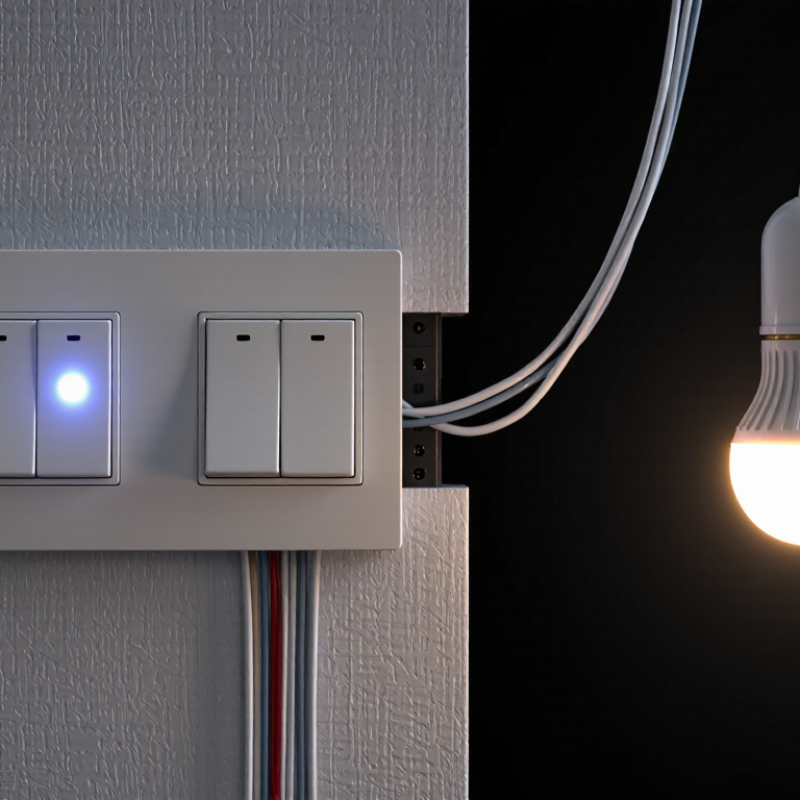
Why do LED lights stay dimly lit when turned off? This question appears simple, yet the answer often hides inside the wiring, switch, or LED driver. Unlike traditional incandescent bulbs, LEDs need very little current to produce visible light. A tiny leakage current can therefore create a faint glow, even when the switch seems completely off.

Electrical engineer and lighting specialist Don Klipstein explains, “An LED can produce visible light from a very small current.” This observation helps explain what many homeowners see: a soft blue or orange shimmer in a dark room. The current may pass through an illuminated wall switch, a smart dimmer, a motion sensor, or nearby wires. Capacitive coupling can also transfer a minute charge between conductors. The LED driver then stores and releases that energy repeatedly.

It is usually harmless.

In practical troubleshooting, an electrician can measure voltage across the switched circuit and inspect the switch type. Replacing an incompatible dimmer often solves the problem. In other cases, a properly installed bypass component may reduce residual current. However, the exact cause should not be guessed from appearance alone. Some circuits contain wiring faults, loose connections, or poorly matched control devices. That possibility deserves attention.

The explanation is not always perfect. Different LED lamps react differently, and one bulb may glow while another stays dark. This variation makes the issue easy to misunderstand. A careful diagnosis should consider the lamp, driver, switch, wiring layout, and measured voltage together.

Why Do LED Lights Stay Dimly Lit When Turned Off?

What Causes LED Lights to Glow After Being Switched Off?

Why Do LED Lights Stay Dimly Lit When Turned Off?

What Causes LED Lights to Glow After Being Switched Off?

An LED light can glow after the switch is turned off because a tiny current may still reach its circuit. This current is usually too weak to produce normal brightness. However, LEDs need very little electricity, so even a small leakage can create a faint shimmer.

An illuminated wall switch is a common cause. Its internal indicator uses a small current that passes through the lighting circuit. Long cables can also create capacitive coupling, transferring a weak electrical signal between nearby wires. Some dimmer switches, timers, and smart controls may allow similar current flow. I once assumed the lamp was defective, but the control device was the real source. That assumption is easy to make.

The glow is often harmless, but it should not be ignored automatically. Loose connections, incorrect wiring, or a failing control can also cause unusual behavior. A qualified electrician can test the circuit safely with proper equipment. Avoid opening the switch box while power is connected.

Tips: Try another compatible switch or control device. If the glow stops, the original control may be leaking current. A bypass component can sometimes reduce the effect, but it must match the circuit and local electrical requirements. Do not install one without professional advice. Also check whether the light becomes warm, flickers strongly, or smells unusual. Those signs need prompt inspection.

How Residual Current Keeps an LED Circuit Slightly Illuminated

Why Do LED Lights Stay Dimly Lit When Turned Off?

How Residual Current Keeps an LED Circuit Slightly Illuminated

An LED lamp can remain faintly lit after its switch is turned off. The usual cause is residual current, not stored brightness. Many LED drivers need only a tiny current to charge their internal capacitors. That charge can produce a weak glow, brief flashes, or uneven pulsing in a dark room.

The current may come through an illuminated switch, a dimmer, or nearby wires carrying voltage. Even when the circuit appears open, electrical coupling between cables can pass a very small signal. High-impedance meters may also display voltage that cannot deliver meaningful power. This often confuses homeowners. A reading is not always a sign of a serious supply fault.

A practical check begins with the switch type and wiring arrangement. Turn off the circuit breaker before inspection. Never rely only on the wall switch. If the LED becomes fully dark with another compatible control, the original switch may be allowing leakage. An electrician can test the circuit, confirm proper isolation, and install a suitable bypass or suppression component when necessary.

Do not add random resistors.

An unusually bright lamp, heat, buzzing, burning smell, or sparks requires prompt professional attention. Residual current explains many harmless glows, but it does not explain every symptom. The easy assumption is often incomplete. Wiring errors, a failing driver, or a defective control can create similar behavior.

The Role of Switches, Wiring, and Electrical Leakage

Why Do LED Lights Stay Dimly Lit When Turned Off?

An LED lamp can glow after the switch is off because electricity is still finding a tiny path. This is usually leakage, not a serious power supply. Illuminated switches often use a small neon lamp or indicator circuit. Current passes through the LED driver and creates a faint blue or orange glow. Two-wire smart switches can cause the same effect because they draw standby current through the load.

Wiring can also create capacitive coupling. A live wire running beside a switched wire may transfer a very small alternating current. LED drivers react to this better than older lamps because their electronic components need little energy. The U.S. Department of Energy reports that modern LED products can exceed 100 lumens per watt. That efficiency also makes tiny currents visible. Field measurements often show ghosting with currents below 1 milliamp, although results vary by circuit design. The explanation is useful, but not perfect.

Why Some LED Bulbs Show the Problem More Clearly

An LED bulb can remain faintly lit after the switch is off because a tiny current still reaches its electronic driver. The current may pass through a neon indicator, a smart switch, or nearby wiring through capacitive coupling. It is usually harmless, but the glow can be distracting.

Some LED bulbs reveal this problem more clearly than others. Their drivers need very little current to charge an internal capacitor. A low-wattage bulb may therefore flash, pulse, or glow like a small ember in a dark hallway. The U.S. Department of Energy’s Energy Saver guidance reports that LEDs use up to 75% less energy than incandescent lamps. That efficiency also means a small leakage current becomes more noticeable. The DOE’s 2023 Solid-State Lighting report identifies driver performance and power quality as continuing design concerns.

I once blamed the wall switch. That assumption was too simple. Bulb design matters. Two lamps on the same circuit can behave differently because their capacitors, resistors, and control circuits are not identical. Connected or dimmable lamps often show the effect more strongly.

Try another compatible bulb or have an electrician install a suitable bypass component. Do not guess inside the wiring. A multimeter can confirm leakage, but measurements require proper training. The faint light may be normal, yet repeated flashing deserves attention.

Practical Ways to Stop an LED Light from Glowing When Off

Why Do LED Lights Stay Dimly Lit When Turned Off?

An LED lamp can glow after switching off because a tiny current still reaches its driver. This often happens with illuminated wall switches, electronic dimmers, or long cables running beside powered wires. The light may appear as a faint blue or orange dot in a dark room. It is usually harmless, but persistent flickering deserves attention.

The first practical fix is replacing an illuminated switch with a standard mechanical switch. If a dimmer controls the lamp, confirm that it is designed for LED loads. An incompatible dimmer may leak current even when set to off. The first fix is not always right. Check the switch before changing the light.

A qualified electrician can test the circuit for leakage, loose connections, or an absent neutral. They may install an approved bypass component across the lamp, if the circuit requires one. Do not add random resistors or alter live wiring yourself. Turn off the breaker before inspecting anything, and verify that power is absent with a suitable tester. If the lamp becomes hot, smells unusual, or glows brightly, stop using it. A simple switch replacement may solve the problem, but accurate testing prevents a small annoyance from hiding a wiring fault.

FAQS

Why does an LED light remain faintly lit after the switch is turned off?

A tiny current may still reach the LED driver. The glow often looks blue or orange in a dark room.

Can an illuminated wall switch cause this dim glow?

Yes. Its small indicator circuit may pass standby current through the lamp. That current can create a visible glow.

Can a two-wire electronic switch produce the same effect?

Yes. It may draw limited standby power through the connected light. The lamp can respond even when switched off.

Can nearby wires make an LED glow?

Sometimes. A live wire beside a switched wire can transfer a tiny alternating current through capacitive coupling.

Is a faint glow usually dangerous?

It is often harmless. However, bright glowing, unusual heat, burning smells, or persistent flickering need prompt inspection.

Will replacing the LED bulb always solve the problem?

No. The switch, dimmer, neutral connection, or cable layout may cause the leakage. The first guess can be wrong.

How can someone reduce the unwanted glow?

A standard mechanical switch may help. An LED-compatible dimmer can also reduce leakage. A qualified electrician may install an approved bypass component.

What safety steps should be taken before checking the circuit?

Turn off the circuit breaker. Confirm power is absent with a suitable tester. Do not handle live wiring yourself.

How can an electrician identify the cause?

They can measure leakage with a true-RMS multimeter. They can also inspect neutral connections, switch wiring, and crowded cable routes.

Why are LED lamps especially sensitive to tiny currents?

Their electronic drivers need very little energy. Even a current below one milliamp may produce visible ghosting, depending on the circuit.

Conclusion

Why do LED lights stay dimly lit when turned off? This common issue usually occurs because a small amount of electrical current continues to reach the bulb even after the switch is turned off. Unlike traditional bulbs, LEDs require very little power, so residual current can make them glow faintly or flash occasionally. This current may come from illuminated switches, smart controls, capacitive coupling between wires, or minor leakage in the circuit.

Some LED bulbs reveal the problem more clearly because their electronic components are highly sensitive to tiny voltage levels. Loose wiring, incompatible dimmers, or switch designs that do not fully disconnect the circuit can also contribute to the glow. In many cases, the issue can be reduced by replacing the switch with a compatible type, checking the wiring, installing an approved bypass or load device, or selecting LED bulbs designed to prevent afterglow. Electrical work should be inspected by a qualified professional to ensure the solution is safe and appropriate.

Isabella

Isabella

Isabella is a dedicated marketing professional with a sharp focus on driving brand growth and engagement through strategic content creation. With an extensive background in digital marketing, she combines her passion for storytelling with her keen understanding of industry trends to deliver......