In the ever-evolving world of LED technology, a crucial question arises: "Why are some LED modules more expensive than others?" According to industry expert Dr. Emily Chen, "Quality often dictates price in the LED market." This statement highlights the significant differences in production standards, materials, and technology used in LED modules.
LED modules can vary widely in price due to several factors. Some modules feature advanced thermal management systems, ensuring longer lifespans and higher efficiency. Others may utilize premium materials that enhance light output and color rendering. However, consumers often overlook these differences. They might focus solely on the initial cost rather than the long-term value offered by higher-priced options.
Furthermore, the LED market remains complex and sometimes opaque. A consumer may find similar-looking modules priced variably. They might wonder why they should choose an expensive option. Understanding the reasons behind pricing is crucial to making informed decisions. It's important to reflect on the potential trade-offs in quality and reliability when opting for cheaper alternatives.
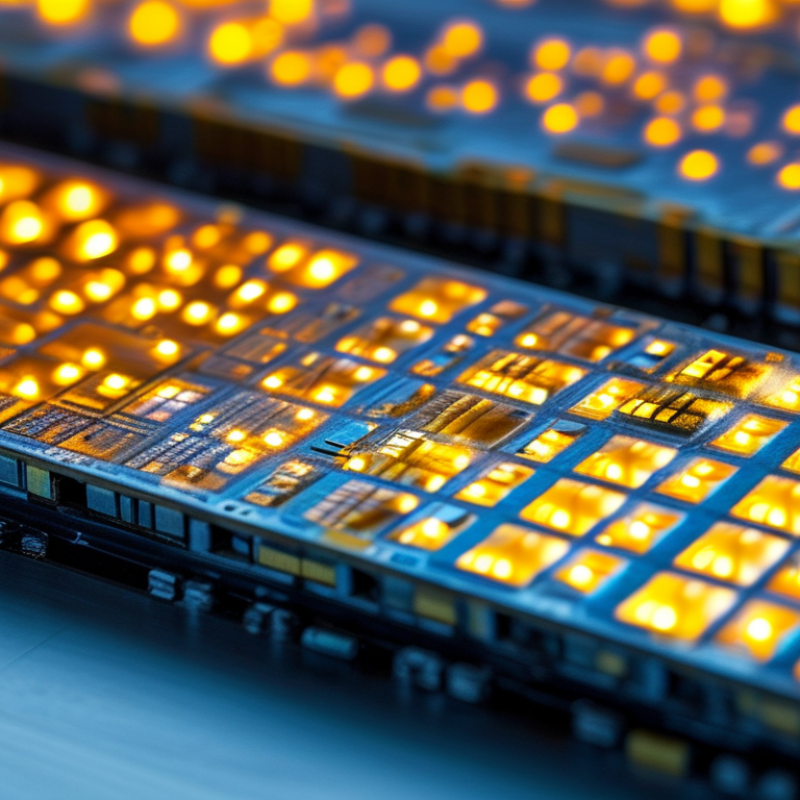
When it comes to LED modules, price variations can be surprising. Several factors contribute to the cost. One key element is the quality of components. High-quality materials lead to better performance and durability. A report by the U.S. Department of Energy indicated that lighting incorporating premium LED components can last significantly longer than budget alternatives.
Another influencing factor is energy efficiency. Efficient modules may come at a higher upfront cost but provide savings over time. The better the lumen output per watt, the more value the module can provide. A study by the California Energy Commission suggests that higher-efficiency LEDs can reduce energy consumption by up to 50% compared to standard products.
Tips:
When choosing LED modules, consider long-term costs. Higher upfront prices can lead to lower maintenance costs.
Always check for performance ratings. Certifications like Energy Star can ensure you choose reliable products.
Evaluate your specific lighting needs. Sometimes, cheaper options may perform adequately for less demanding environments.
When evaluating LED modules, several types and their respective prices come into play. The variance often stems from performance capabilities and technology used. High-quality modules typically offer better luminosity and efficiency. This might increase their initial price. However, the long-term savings in energy consumption can outweigh the upfront cost.
Basic models may be cheaper, but they could compromise longevity and brightness. These lower-priced options often use lower-quality materials. In contrast, premium modules leverage advanced technologies, such as better heat dissipation and color accuracy. This leads to a more significant output that can justify their price tag.
Choosing the right LED module requires understanding one’s needs. Are aesthetics important, or is efficiency the priority? Each module type carries its advantages and disadvantages. Reflecting on one's priorities can help make a more informed decision. The market can be overwhelming, and it's essential to consider both immediate and long-term costs. In the end, the right choice balances initial investment with lasting performance.
When evaluating LED modules, material quality plays a pivotal role in cost variations. High-end LED modules often use premium components, significantly affecting their price. For example, premium diodes can outperform standard ones in efficiency and lifespan. A report by the U.S. Department of Energy highlights that modules with superior materials can last up to 50,000 hours, compared to the 30,000-hour lifespan of cheaper options.
Understanding the importance of thermal management is crucial. Quality materials improve heat dissipation, enhancing performance. An infographic from the National Institute of Standards and Technology indicates that thermal management can increase LED efficiency by over 25%. This can translate to lower energy consumption and reduced operating costs over time.
Tips: Always check the specifications of materials used in LED modules. Look for reports or certifications regarding their performance. This can help determine if the higher price is justified. Additionally, don’t overlook the importance of warranty offers. A longer warranty often signifies greater confidence in material durability. Investing in quality materials now may lead to better long-term savings.
The price of LED modules varies significantly due to technological advancements in the industry. Cutting-edge innovations lead to improved efficiency and longevity, driving up manufacturing costs. For instance, newer models may incorporate advanced heat dissipation technologies. These features can elevate the price but also enhance performance and lifespan.
Additionally, the development of smarter LED modules has added to the complexity. Many newer units feature built-in sensors and connectivity options. These enhance user experience but also require more intricate designs. Manufacturers often spend more on research and development, adding to the final product cost.
It's important to consider quality and sustainability as well. Some modules may appear cheaper but lack durability. They might not perform well under extreme conditions, ultimately costing more in replacements. Understanding these nuances helps consumers make informed decisions. Yet, the rapid innovation cycle means that many might overlook essential details in pursuit of the latest technology.
The dynamics of market demand and supply significantly influence the pricing of LED modules. According to a report from MarketsandMarkets, the global LED market is projected to reach $75 billion by 2025. This growth is driven by increasing energy efficiency awareness and the decline in LED production costs. However, not all LED modules are created equal, and variations in technology and components play a key role in pricing.
High-quality LED modules often use advanced materials, which can lead to higher costs. For instance, modules that achieve a longer lifespan and better performance tend to command premium prices. A report from Grand View Research indicates that while consumer demand for LED products continues to rise, manufacturers also face challenges like fluctuating raw material prices, creating a complex pricing environment.
Finally, consumer preferences can heavily influence the market. Different applications require varied specifications, which adds to the cost variability. Users looking for customized solutions may find themselves paying more. Price disparities may not always reflect quality, but rather the specific features catered to unique needs. Careful consideration is necessary when choosing LED modules for different applications.
: Price varies based on performance, technology, and material quality. High-quality options often lead to higher initial costs.
Basic models may last around 30,000 hours. Premium modules can reach up to 50,000 hours due to better materials.
Quality materials enhance heat dissipation. Improved thermal management can boost efficiency by over 25% in LED modules.
Not necessarily. The price may reflect specific features rather than overall quality. Assess your needs carefully.
Evaluate your priorities, such as aesthetics versus efficiency. Reflect on immediate costs and long-term savings before deciding.
Demand and supply influence prices. Rising consumer interest can drive costs up, while production efficiencies can lower them.
Yes, longer warranties often indicate manufacturer confidence in durability. This can be an important aspect of long-term value.
Custom solutions typically come with higher costs due to specialized requirements. Consider if they align with your needs.
Better thermal management can lead to reduced operating costs over time, which may justify higher initial investments.
Preferences determine specific application needs. This variability contributes to price differences among LED modules available in the market.
The article "Why Are Some LED Modules More Expensive Than Others?" delves into the various factors influencing the cost of LED modules. Key elements include the quality of materials, where higher-grade components typically result in superior efficiency and durability. Additionally, different types of LED modules exhibit varying price points due to their design, functionality, and intended applications.
Technological advancements also play a significant role; as new innovations emerge, they can either raise production costs or enhance performance, thereby affecting pricing. Furthermore, market demand and supply dynamics contribute to fluctuations in LED module prices, with rising demand often leading to increased costs. Understanding these factors helps to clarify why some LED modules command a higher price than others in the marketplace.

Ledic Lighting