Ledic Lighting
1 / 5
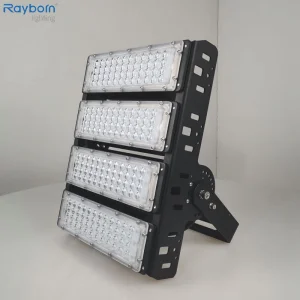
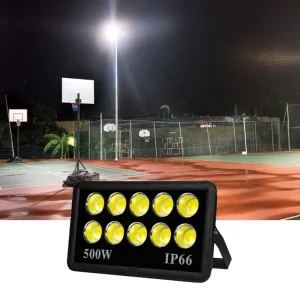
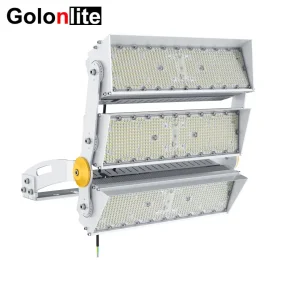
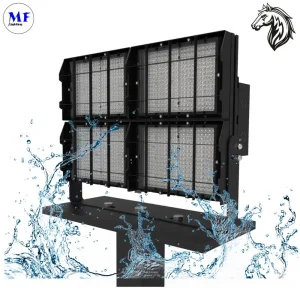
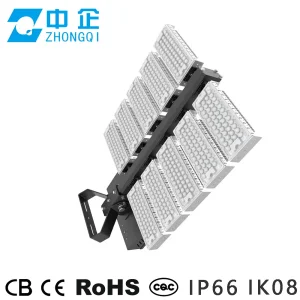
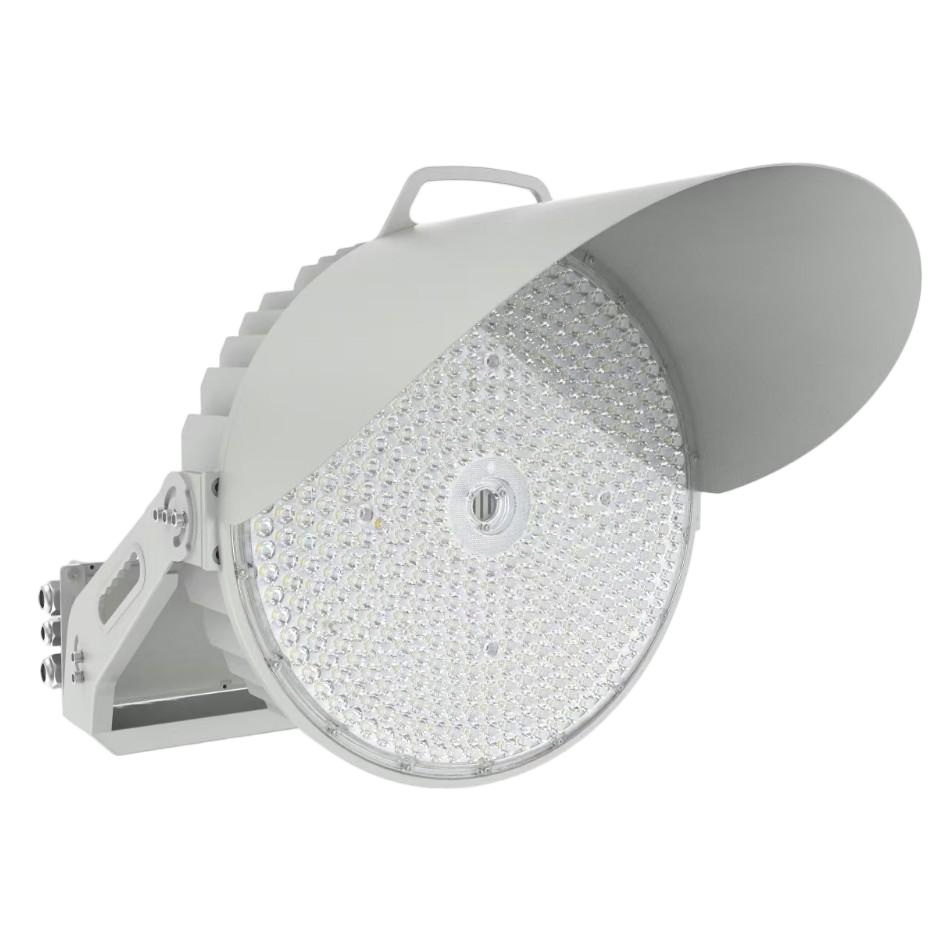
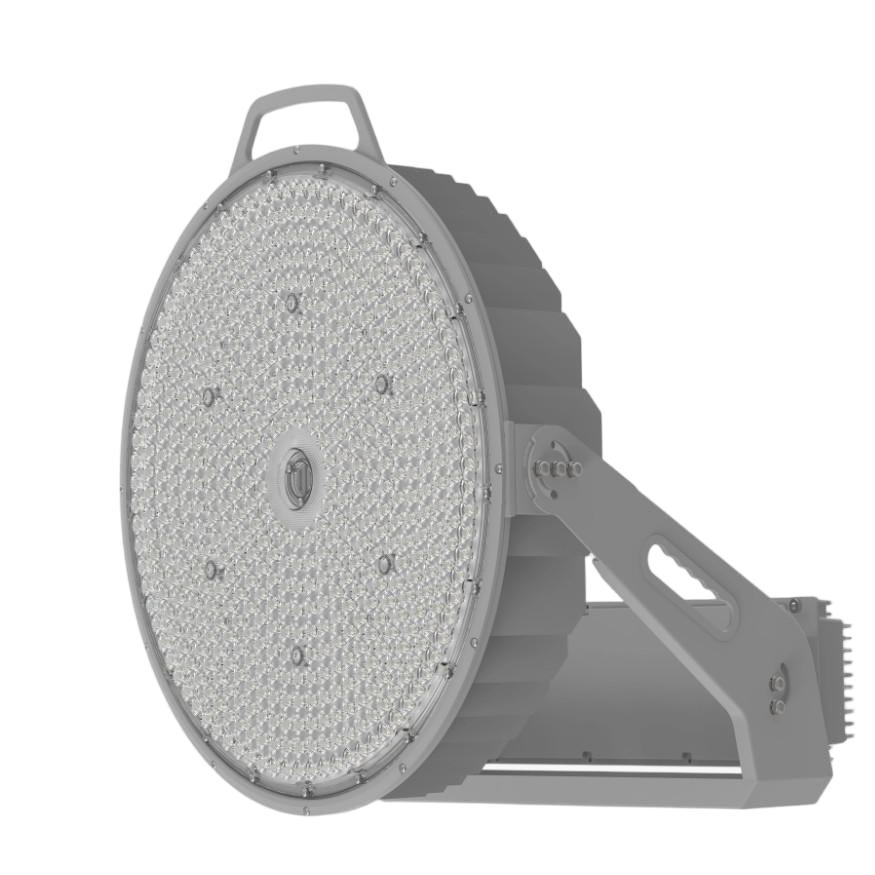
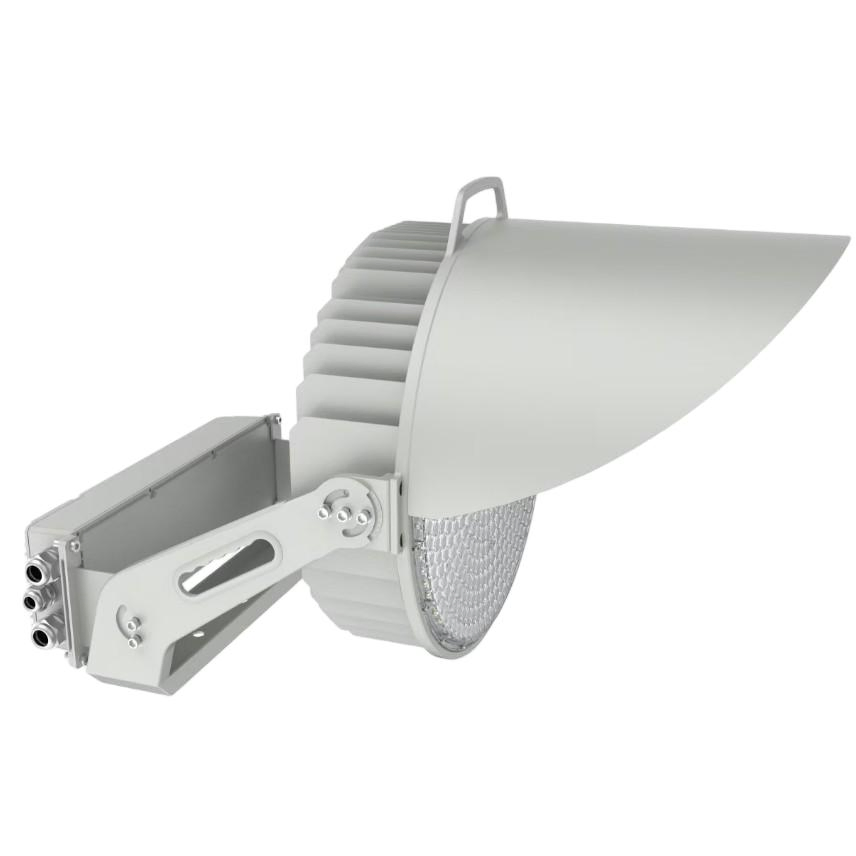
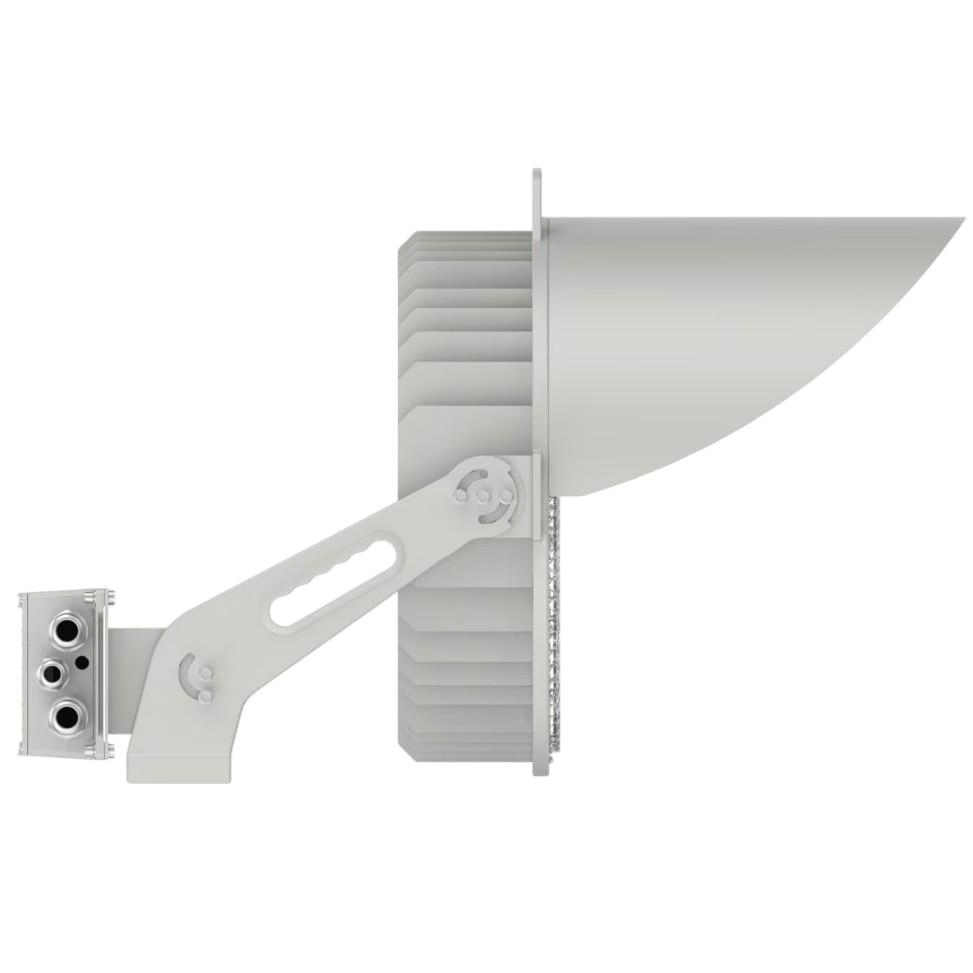
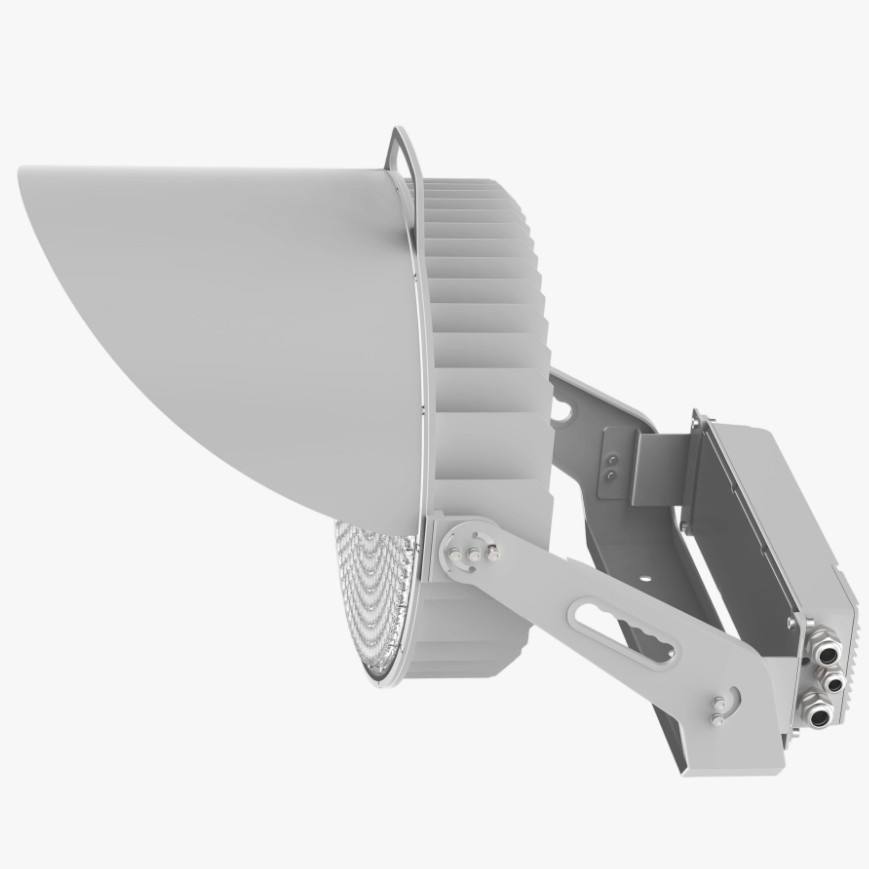
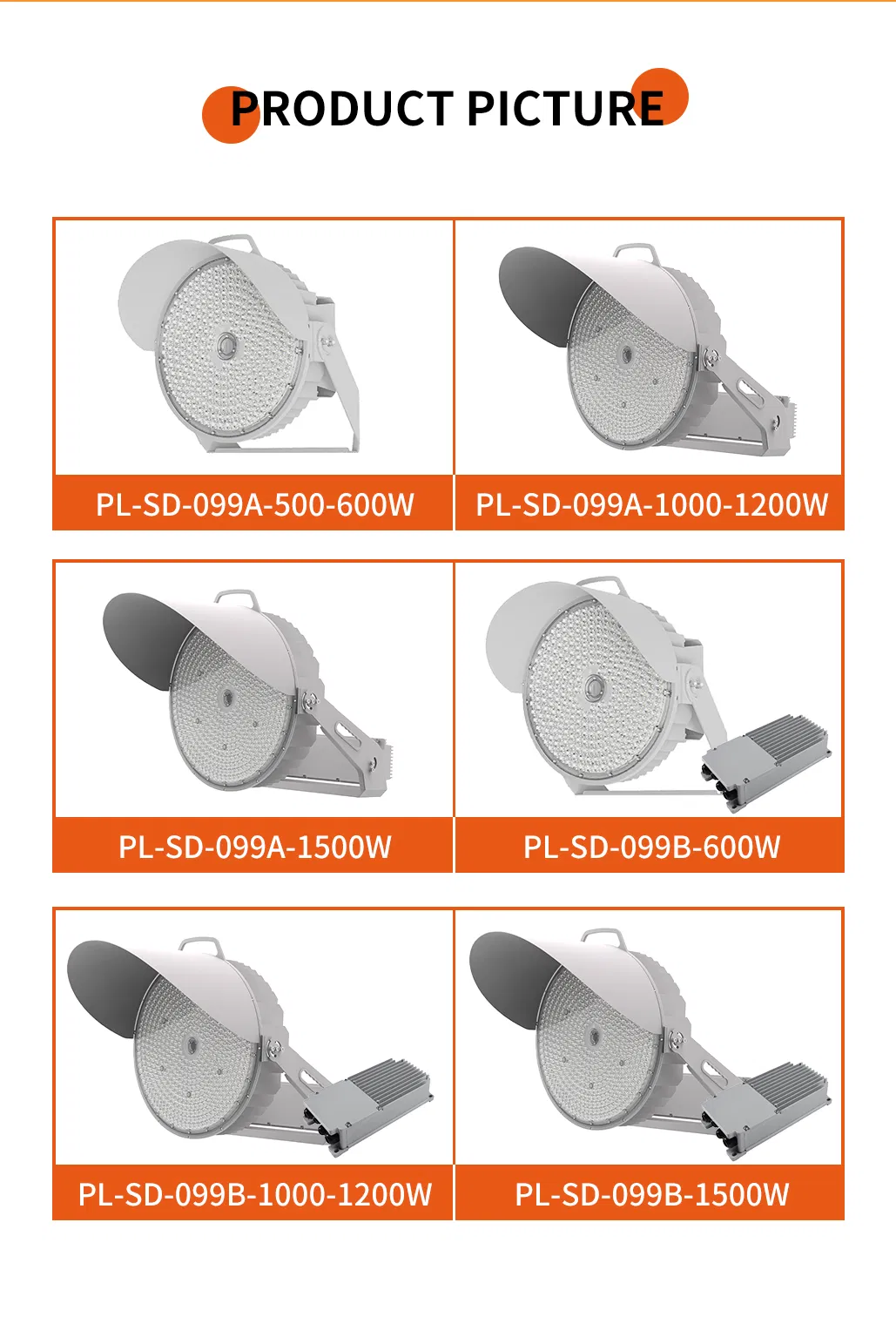
Peonylighting High Quality 500W-1500W LED Flood Sport Stadium Light
Product Description
Basic Specifications
Model NO.
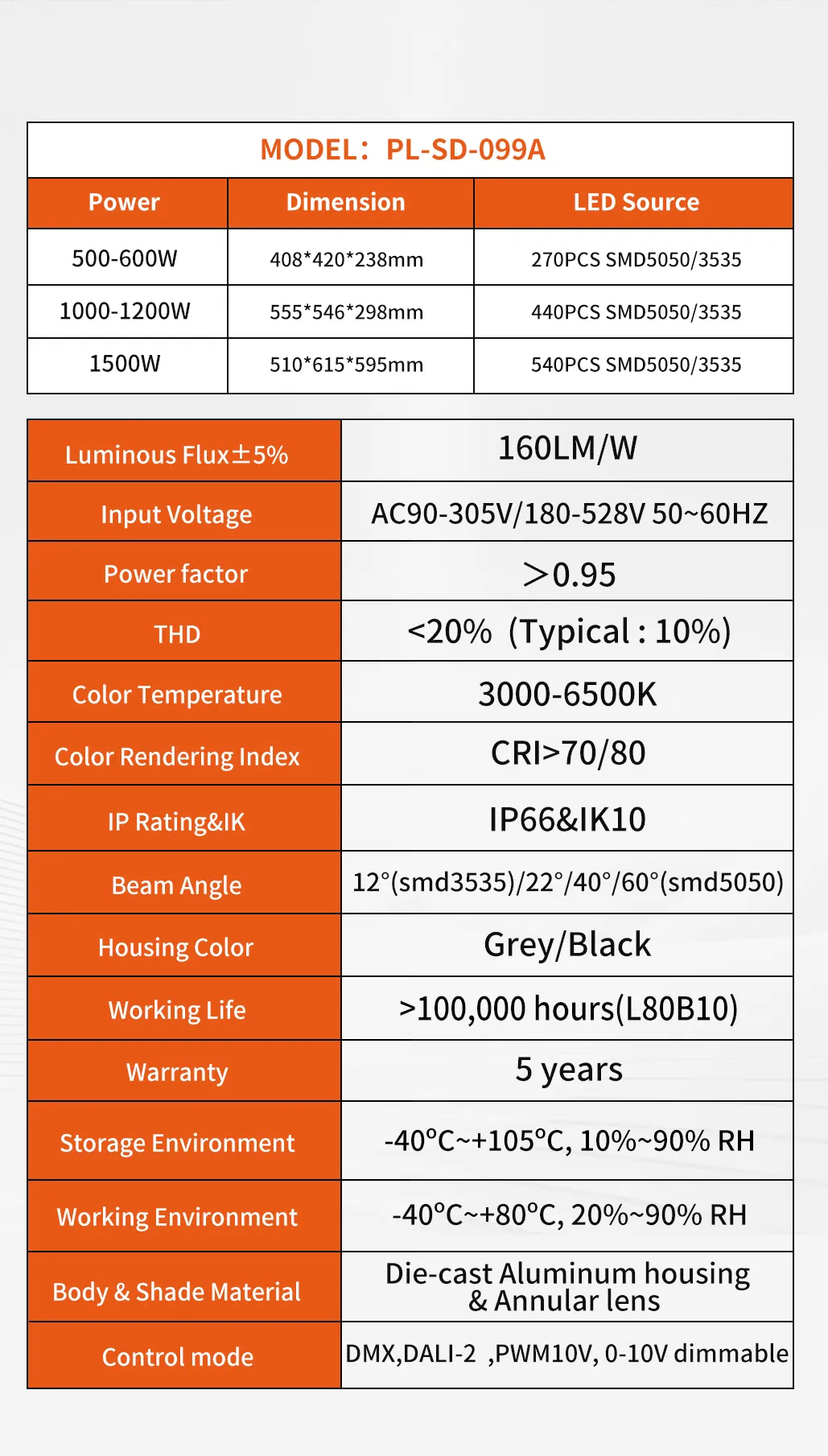
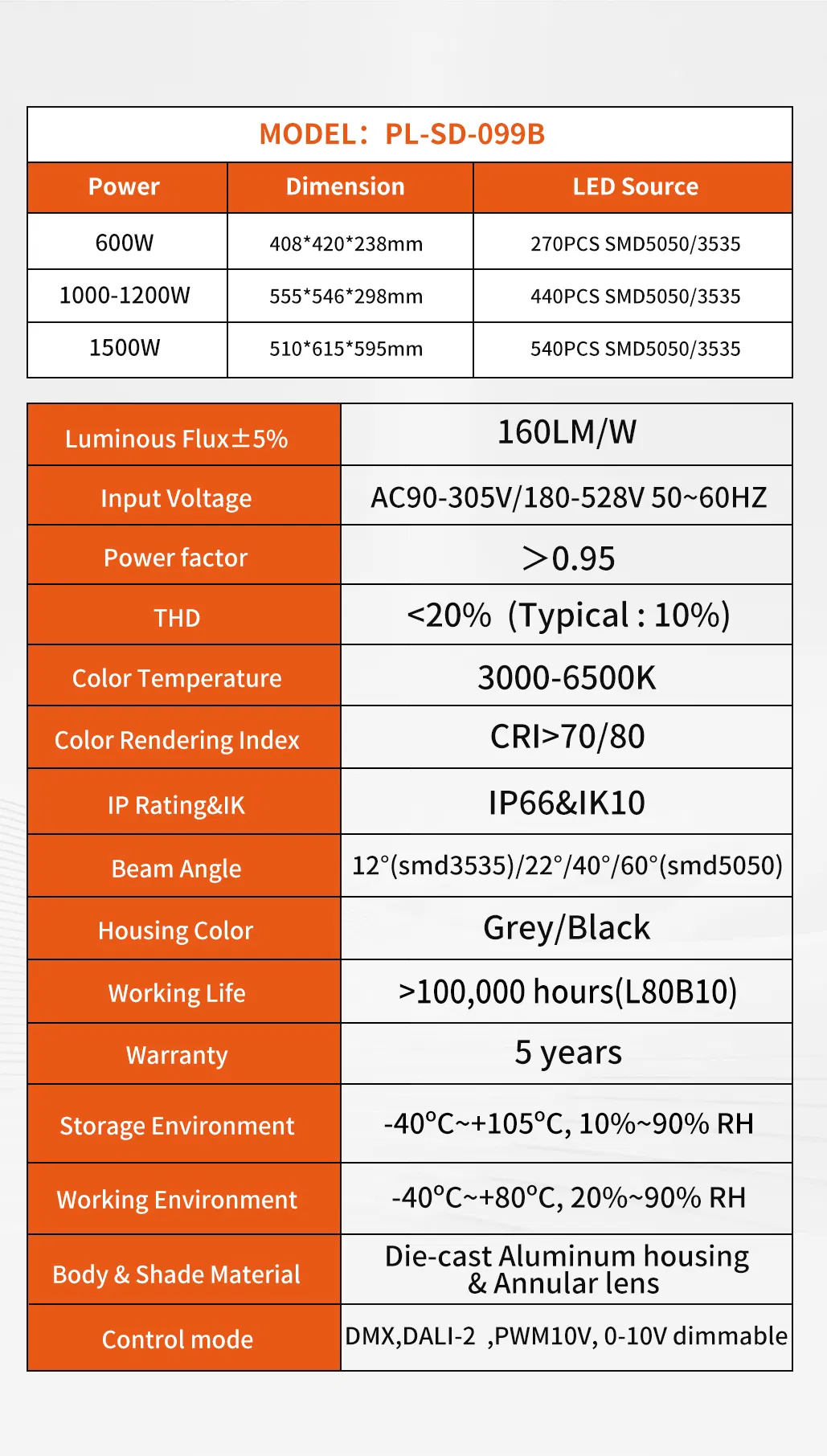
PL-SD-099B
Power
500W 600W 1000W 1200W 1500W
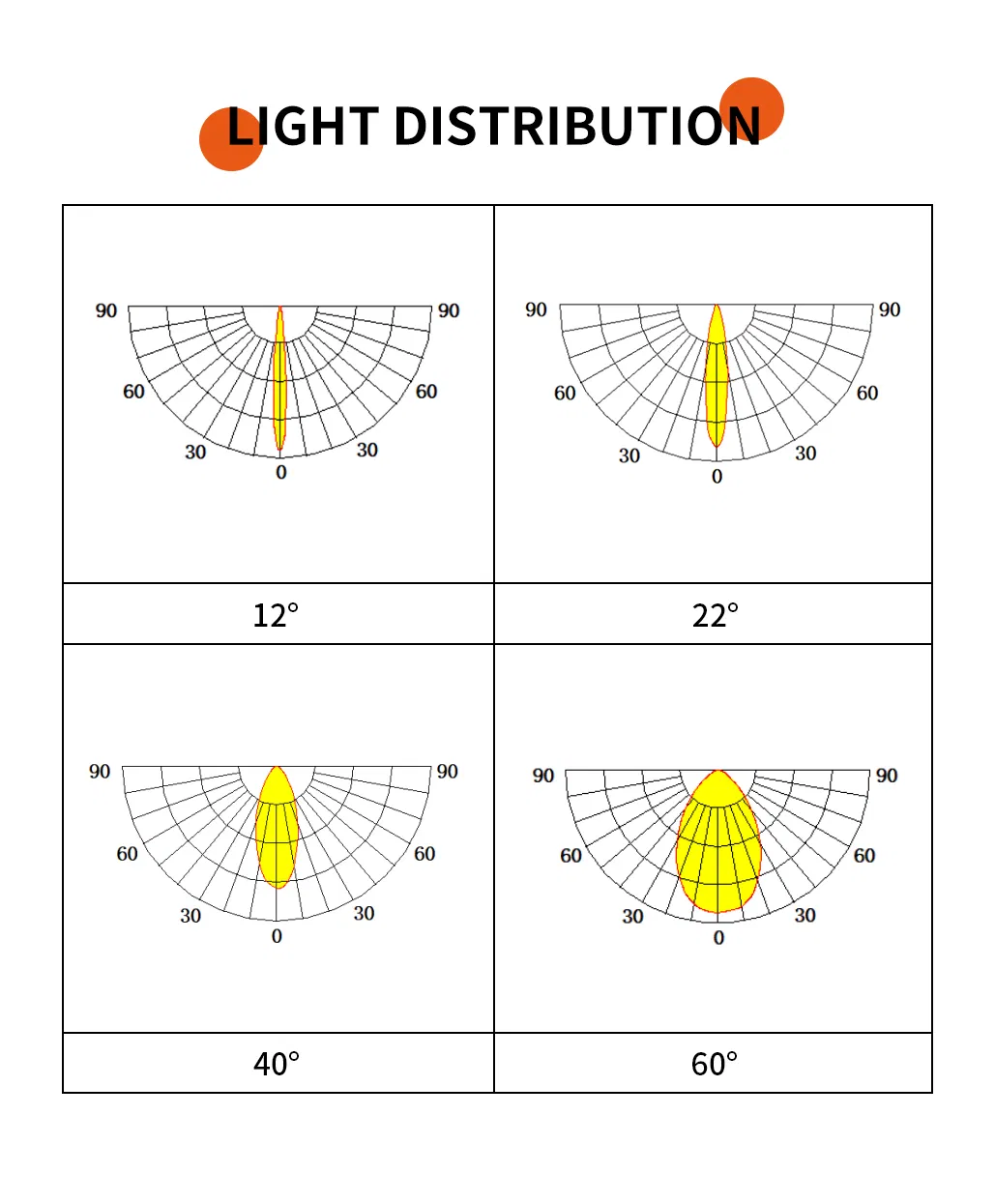
Projection Distance
10°/15°/20°/40°/60°/90°
Application
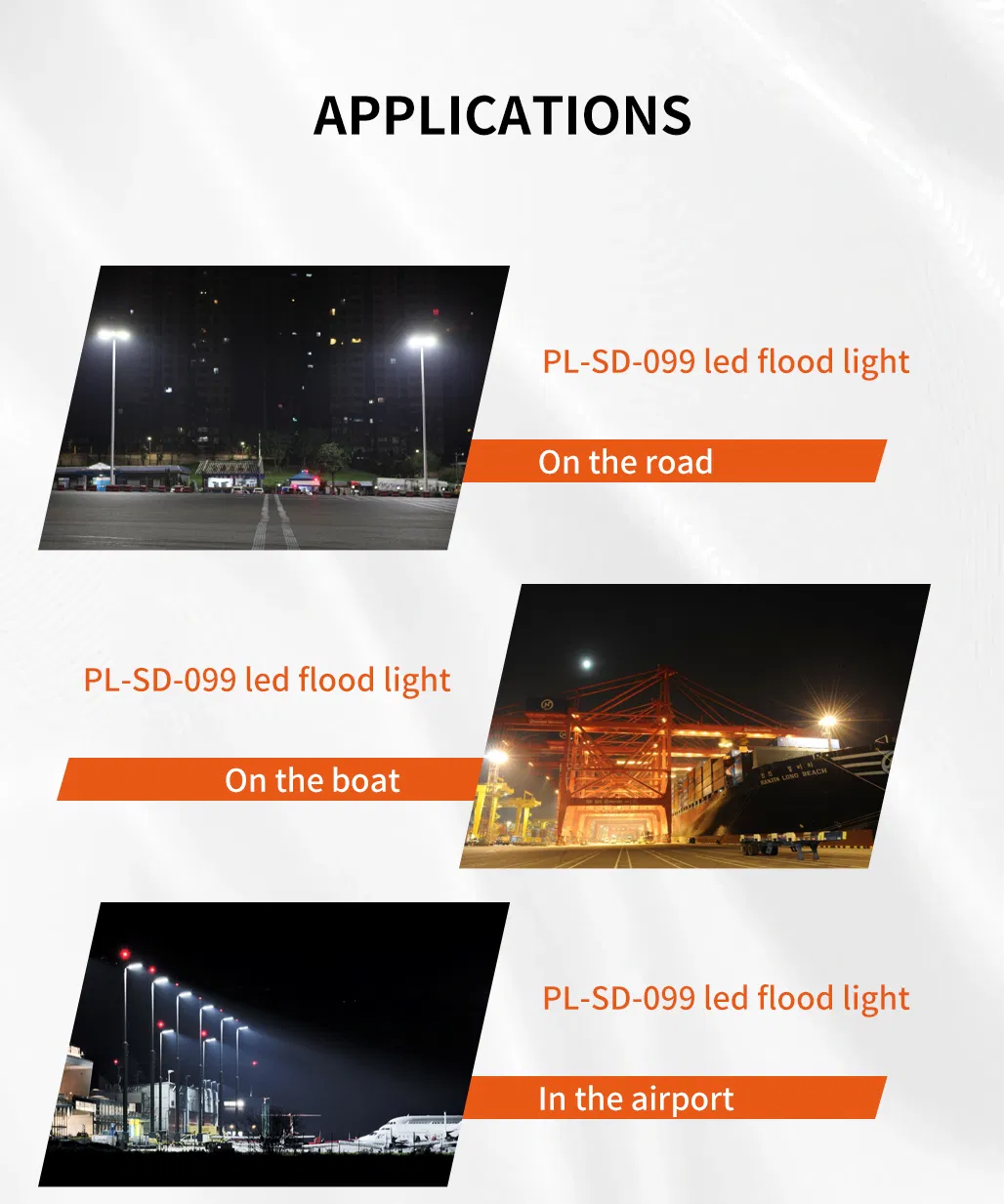
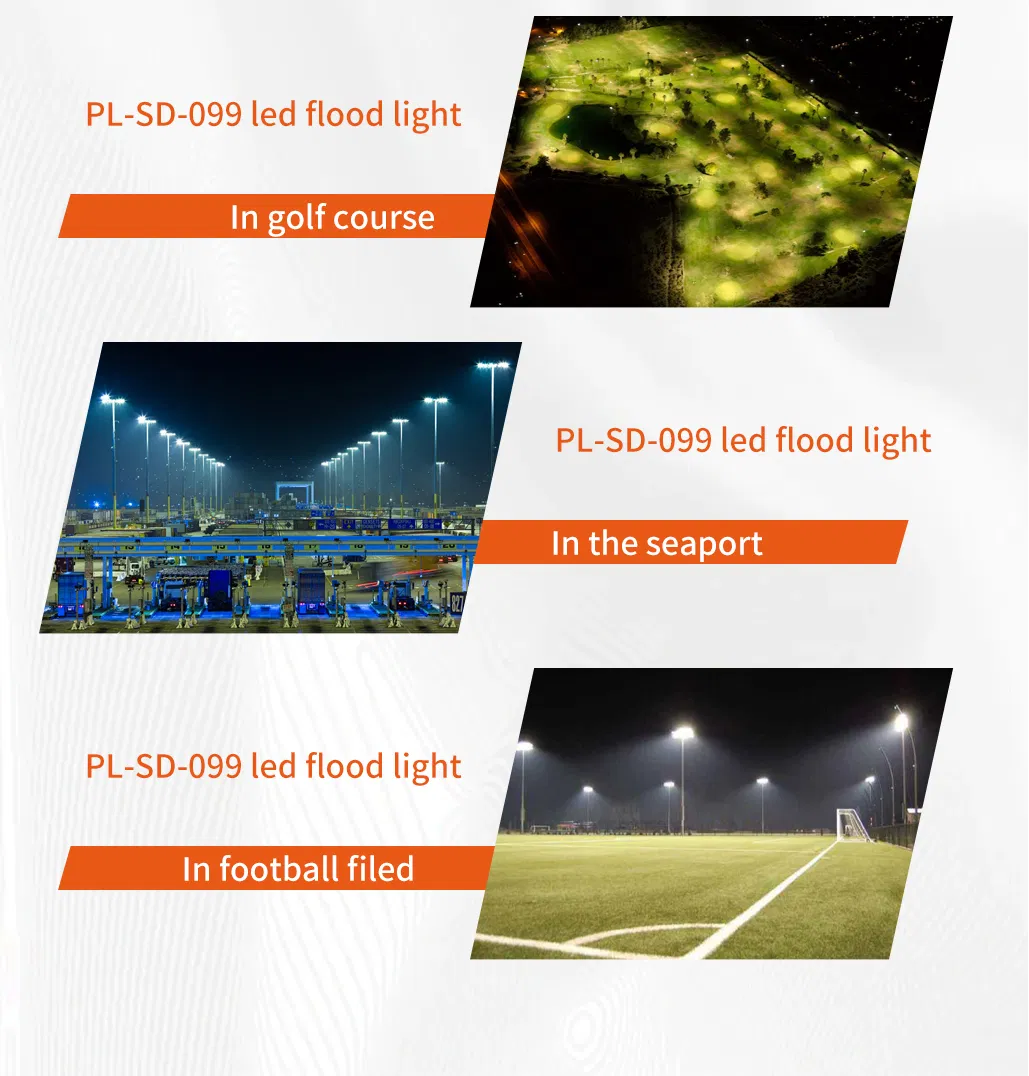
Park, Square, Factory, Garden, Sports Stadium
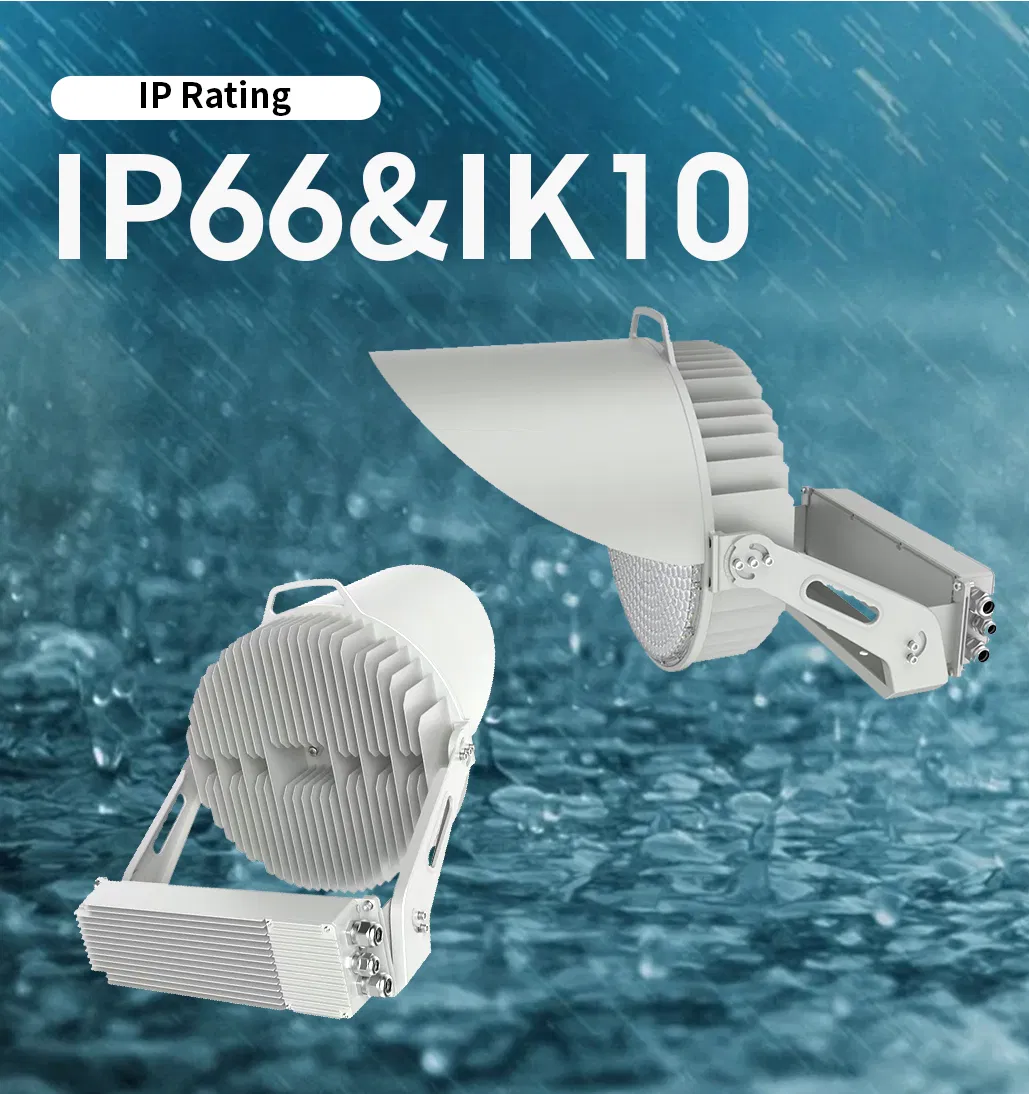
IP Rating
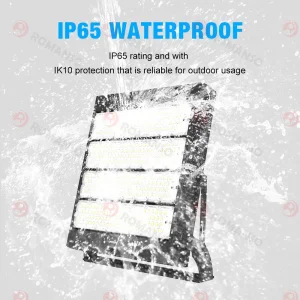
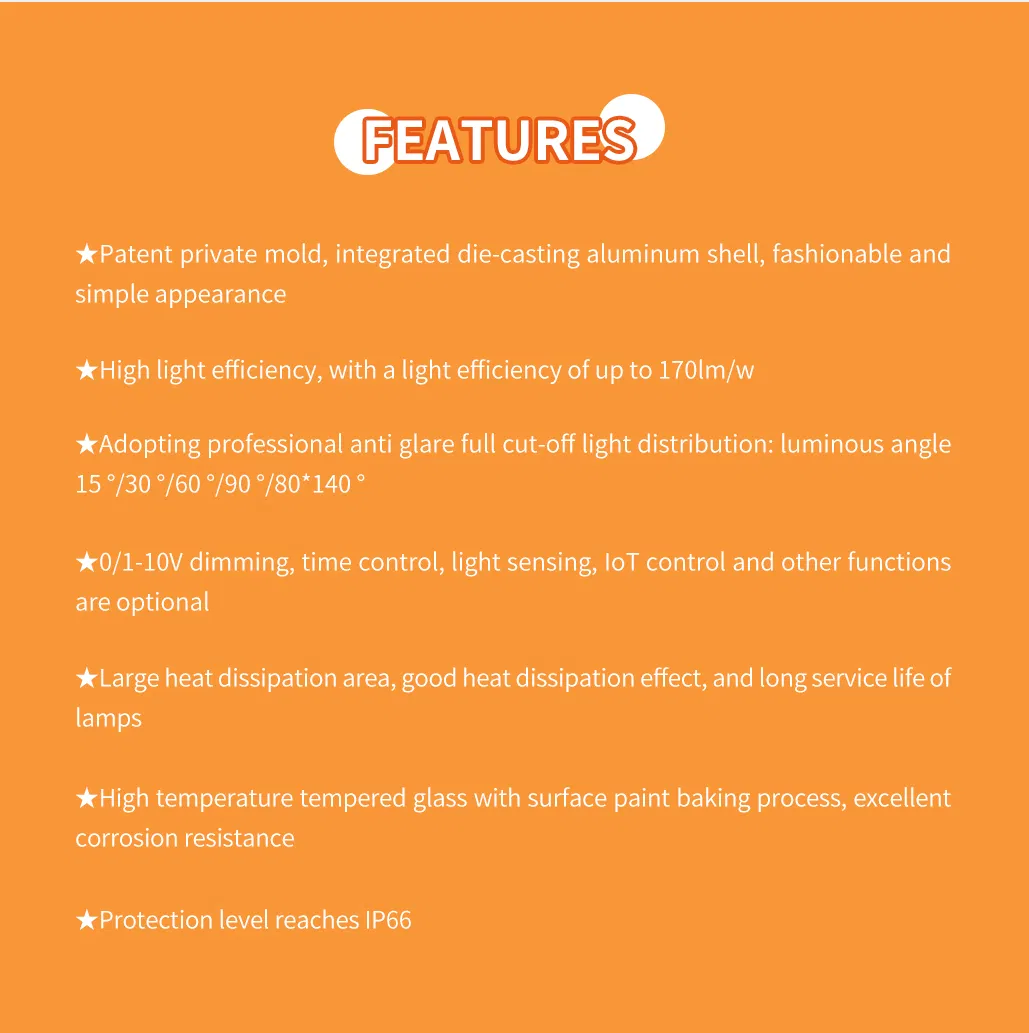
IP66
Certification
CCC, CE, CQC, C-tick, EMC, Energy Star, ETL, FCC, FDA, GOST, GS, LVD, PSE, REACH, RoHS, SAA, SASO, VDE, CB ENEC
Operating Voltage
AC100-277V
Input Voltage
AC100-277V
LED Chips Brand
72PCS Lumileds 5050SMD
Transport Package
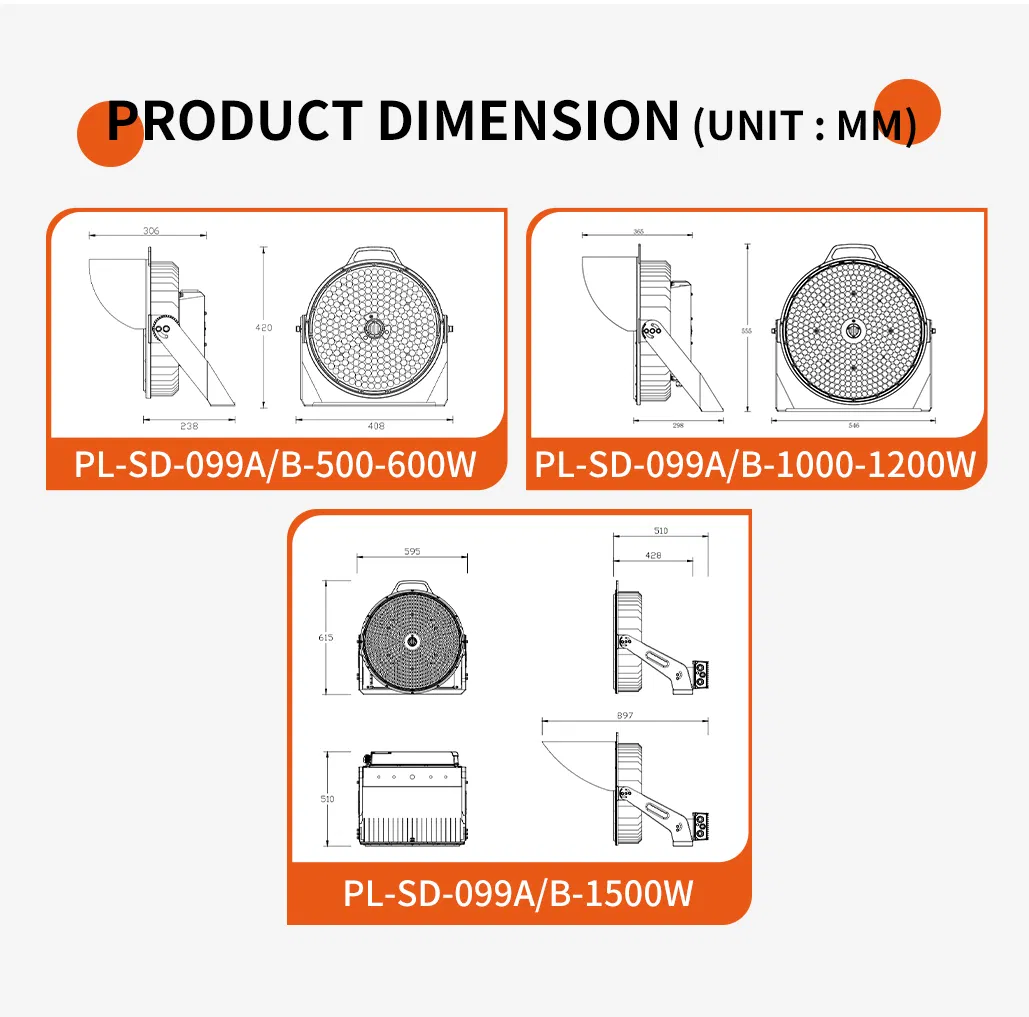
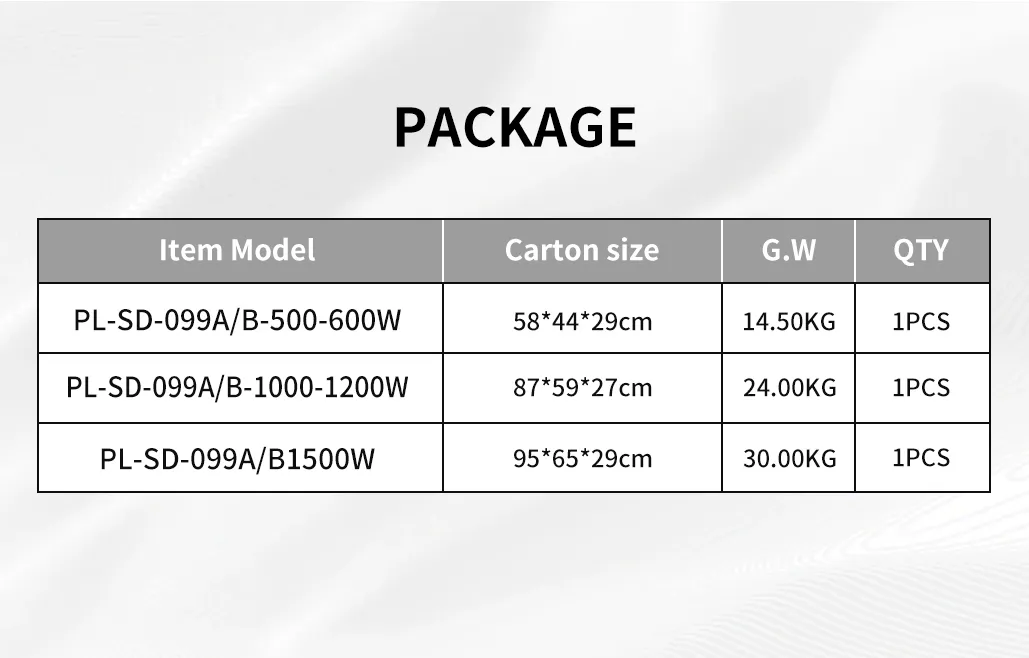
36*53*17.5cm
Specification
596.9*369x137.6mm
Origin
China
HS Code
9405409000
Production Capacity
500000PCS/Year
Product Showcase
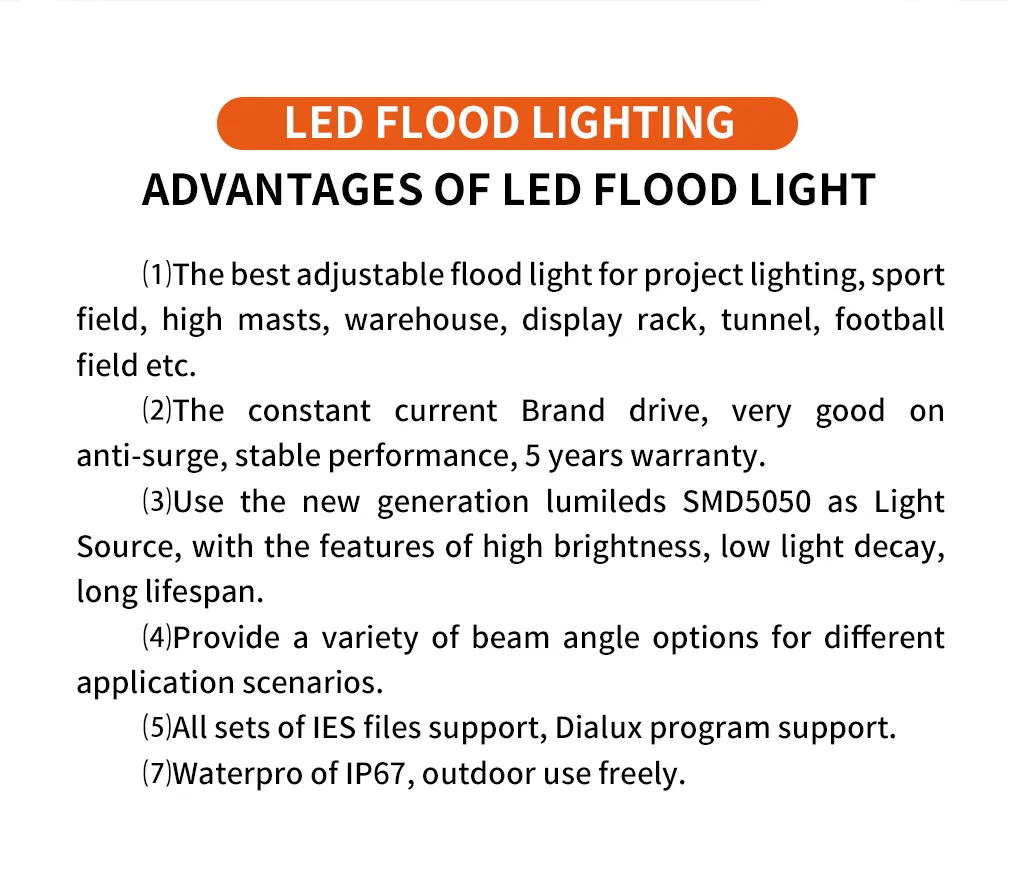
Common Questions
QDo LED lights really have 50,000 hours lifespan?
A 50,000 or longer lifespan is a theory based on laboratory tests. However, because actual working environments differ from lab conditions, the practical lifespan is typically around 30,000 hours. It can reach 50,000 hours if high-quality materials are used.
QWhy do different suppliers have different brightness for the same power?
Different chips or different brightness versions of the same chip will result in different light outputs. Even with the same chip, there may be slight differences. Please distinguish between the brightness of individual LEDs and the final lamp fixture.
QWhat is Colour Temperature?
Kelvin (K) is used to measure light "temperature". For example, warmer light (lower Kelvin) is often used in public areas to promote relaxation, while cooler light (higher Kelvin) is used to enhance concentration in offices.
QWhat is CRI?
CRI (Color Rendering Index) is a figure that indicates how accurately a light source reveals the colors of objects. Higher CRI values generally result in higher costs.
QWhat is PF and Efficiency?
PF (Power Factor) and Efficiency measure the electrical performance of the driver. Higher PF and efficiency ratings indicate better performance and usually come with a higher cost.
QCan these lights be used in extreme weather?
Yes, with an IP66 rating, these lights are designed to withstand dust and powerful water jets, making them suitable for outdoor applications like stadiums and squares.